Choosing a fragrance become much easier when you start from what you already love. Think about the everyday smells that comfort or energise you: fresh linen, cut grass, rose bouquets, creamy vanilla desserts, smoky candles or crisp citrus fruit. These preferences usually translate into the notes you will enjoy in a perfume.
Pay attention to the scented products you already use. If your bath and body care, candles or home diffuser are mostly floral, soft vanilla or clean cotton, there is a strong chance you will enjoy fragrances in similar families. If you prefer something sharper or moodier, you may be drawn to citrus, aromatic herbs, leather or woods.
As you explore, jot down any notes that repeatedly appeal to you – perhaps neroli, jasmine, sandalwood, amber or musk. This simple list becomes a helpful guide when you’re browsing fragrance descriptions online or speaking to a beauty adviser in store.

Consider When And Where You Plan to Wear It
The perfect fragrance is one you wear. Before you choose, think about your lifestyle, dress code and the settings where your perfume needs to feel at home.
For work and everyday life, many people prefer quieter, more intimate scents that sit close to the skin. Light floral, fresh or soft woody fragrances often feel polished but not overpowering in an office, on public transport or at brunch. For evenings and occasions, you might enjoy something richer or more sensual, perhaps with deeper woods, amber or spice.
Season and weather matter too. In warmer months, citrus, green and airy florals can feel refreshing and uplifting. In cooler weather, you may prefer warmer, cosier compositions with vanilla, tonka, sandalwood or resinous base notes that linger beautifully in knitwear and outerwear.
Ask yourself a few practical questions as you narrow down options:
- Do you want an everyday scent that works from commute to dinner, or something special for evenings?
- Do you prefer others to notice your fragrance as you move, or should it feel like a subtle veil just for you?
- Will you wear one “signature” perfume year-round, or switch between lighter and deeper options with the seasons?
Being clear about when, where and how you’ll wear your fragrance helps you choose something that feels integrated into your life, rather than a beautiful bottle that rarely leaves the dressing table.
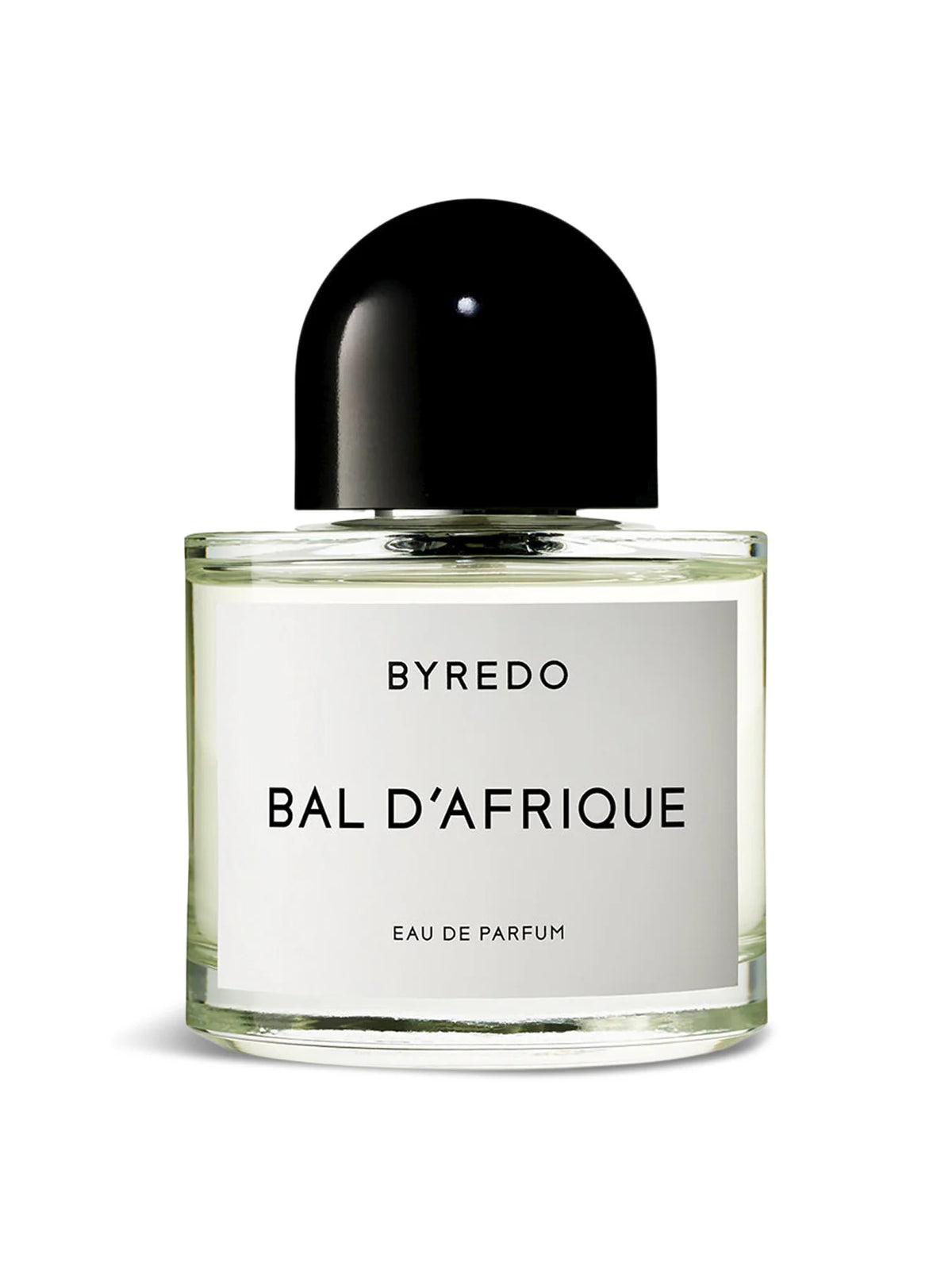
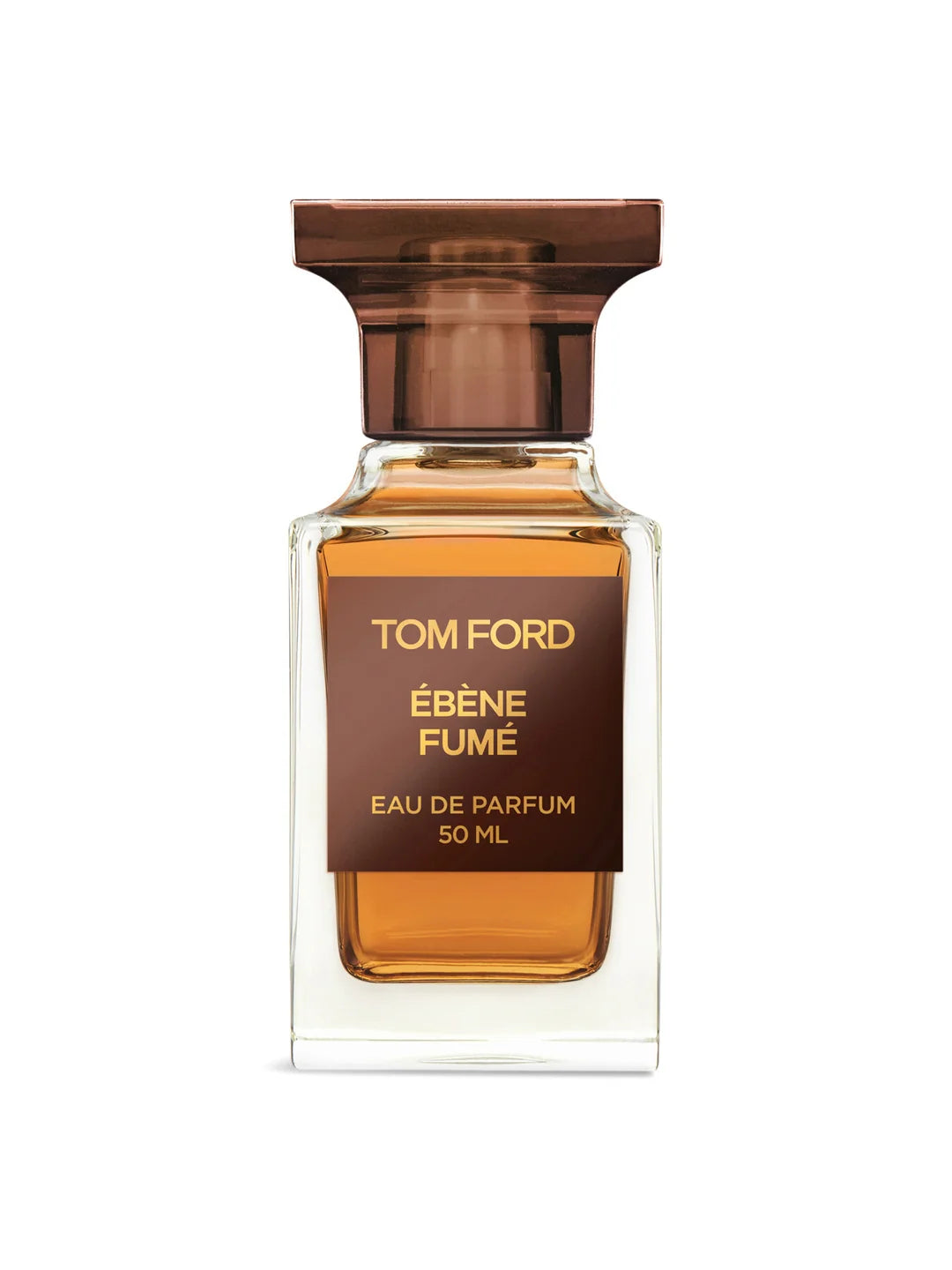
Understand Fragrance Notes and Scent Families
Every fragrance is built in layers, which unfold over time on your skin. Understanding this helps you avoid choosing a scent purely on how it smells in the first five minutes.
- Top notes are the opening impression. They are often bright, sparkling or airy – think citrus, herbs, light fruits or aldehydes. They are designed to catch your attention but fade relatively quickly.
- Heart (middle) notes emerge as the top notes soften. This is the true character of the fragrance: florals like rose or jasmine, spices, or aromatic notes such as lavender and geranium.
- Base notes are the foundation. They develop more slowly and give a perfume its longevity and depth – woods, moss, resins, amber, musk and vanilla are all common bases.
Floral, Fresh, Woody and Amber Fragrance Families
While every fragrance is unique, most fall into recognisable scent families. Knowing which you naturally gravitate towards makes it much easier to navigate counters or online edits.
- Floral fragrances centre around blossoms such as rose, jasmine, orange flower or peony. They can be dewy and fresh, powdery and classic, or rich and heady for evening.
- Fresh fragrances feel clean and uplifting. They often feature citrus (bergamot, lemon, grapefruit), green notes (cut grass, leaves) or aquatic accords that evoke sea spray or cool air.
- Woody scents showcase materials like sandalwood, cedar, vetiver and patchouli. They can feel dry and elegant, creamy and soft, or darker and more mysterious.
- Amber (sometimes called oriental) fragrances are warmer and more enveloping, built around resins, vanilla, amber accords and spice. They often feel sensual and cocooning, especially in cooler weather.
Choose a Fragrance Concentration
You’ll often see the same fragrance offered in several strengths, commonly labelled Parfum, Eau de Parfum (EDP) and Eau de Toilette (EDT). These describe the concentration of aromatic oils in the formula.
- Parfum usually has the highest concentration. It tends to feel richer, more intense and longer lasting, with a softer diffusion close to the skin.
- Eau de Parfum offers a balanced concentration. It is often the most popular choice, with noticeable presence and good wear through the day.
- Eau de Toilette is typically lighter, with an airier character and a shorter wear time. It can feel ideal for daytime, warmer weather or if you prefer a more discreet trail.
The compositions can also vary subtly between these versions. An Eau de Toilette may highlight fresher top notes, while an Eau de Parfum or Parfum can feel deeper, emphasising heart and base notes. When possible, test the specific concentration you plan to buy, rather than assuming they will all smell identical.
If you are considering cost, Eau de Toilette is often the most accessible way into a favourite fragrance while Eau de Parfum and Parfum can be worthwhile investments if you value intensity and longevity and wear the scent regularly.
How Concentration Relates to Intensity and Wear
As a general rule, higher concentration brings more intensity and often better longevity. However, it is not an absolute guarantee that a Parfum will always last longer than an Eau de Parfum or EDT version.
How long a fragrance lasts on you depends on several different factors:
- Your skin type – drier skin can cause perfume to fade more quickly.
- The balance of materials – some light, volatile notes naturally disappear sooner than heavier woods, resins or musks.
- Climate and season – heat amplifies both projection and evaporation.
- How much you apply and where – pulse points, the chest and lightly misting hair or clothing (where appropriate) can help.
If you prefer a gentle cloud of fragrance that moves with you, a lighter concentration may feel more wearable for every day. If you want a single morning spritz to carry you from desk to dinner, an Eau de Parfum or Parfum might give you the presence and staying power you need.
When in doubt, test different concentrations on your skin and notice not only how long they last but how you feel wearing them over several hours.
Test Fragrance on Your Skin Before Choosing
Paper blotter strips are useful when you first explore a selection of scents. They let you compare several options side by side, quickly rule out anything you instinctively dislike, and avoid overwhelming your skin with too many fragrances at once.
However, blotters can only take you so far. A scent interacts with your natural skin chemistry, body temperature and even your moisturiser, which means the same fragrance can smell quite different on two people. What feels bright and fresh on paper might become creamy and soft on your wrist, or vice versa.
Once you’ve narrowed your options to two or three favourites on blotters, always repeat the testing on your skin. Apply each fragrance to a separate pulse point and give it time to unfold. This extra step makes the difference between liking a scent in theory and choosing a fragrance you will genuinely enjoy wearing.
Give The Fragrance Time to Develop
When you apply a fragrance, mist lightly onto the skin and let it settle. Try not to rub your wrists together; this can generate heat and potentially disturb how the notes develop, especially the delicate top and heart layers.
Allow at least 15–20 minutes for the first impression to soften and the heart to emerge. Ideally, wear the fragrance for several hours so you can experience the full journey from opening to lingering base notes. This is where you truly assess comfort, longevity and how the scent sits with your personal style.
If you’re wondering how long you should wait before deciding, aim to experience a full day whenever possible. Notice whether you enjoy catching hints of the fragrance as you move, whether it feels too strong in close spaces, and how you feel about the final dry-down in the evening. Your response at these later stages is often the best indicator of whether it is the right perfume for you.
Compare a Few Scents and Wear a Sample Through The Day
When exploring in store, try to limit on-skin testing to three fragrances at a time. More than that and it can become difficult to distinguish between them. Make a note of which scent is on which wrist or arm so you can keep track.
If a fragrance feels promising, ask if samples are available so you can wear it during your normal routine – commuting, working, relaxing at home. This is one of the most effective ways to find out whether it truly fits your life, without committing immediately to a full bottle.
Sampling is also a smart way to work within a budget. Discovery sets, rollerballs or travel sizes allow you to live with several fragrances, then invest in the ones you use most often and that offer the greatest wardrobe value for you.
By the time you decide to choose a favourite, you’ll know exactly how it behaves on your skin, how long it lasts, and whether it feels like an authentic extension of your personal style.
Fragrance Questions, Answered
Fragrance can smell different on everyone due to factors such as skin chemistry, hormones and body temperature. Layering products and environmental conditions can also affect how a scent develops and lasts. That's why testing perfume on your skin is essential. A fragrance that smells great on someone else may not wear the same way on you, so choose the one that works best with your skin.
How Long Should You Wait Before Deciding On a Fragrance?
Try not to rush your decision based only on the first spray. Give each potential fragrance time to move through its top, heart and base notes on your skin. Ideally, you should wear it for at least a few hours; a full day is even better if you can take a sample away.
As you wait, check in with yourself:
- Do you still enjoy the scent once the bright top notes have faded?
- Does it sit comfortably in your everyday environments – outdoors, social settings?
- How do you feel about the final dry-down close to the skin? This stage can last the longest, so it needs to feel effortless and “you”.
If you are exploring several options, it can be helpful to live with each one for a day or two before committing, especially to a larger bottle or a more concentrated version. This considered approach helps you find a fragrance you’ll finish and re-purchase, rather than one you grow tired of after a few wears.
Does a Higher Concentration Always Last Longer?
Higher concentrations such as Eau de Parfum and Parfum often last longer, but longevity depends on more than strength alone. Fragrance family, base notes and application all play a role. Citrus scents tend to fade faster, while woods, musks and ambers offer greater staying power. Moisturised skin and applying fragrance to pulse points can also help extend wear.
Rather than relying on concentration alone, test fragrances on your skin and choose the option that offers the right balance of intensity, comfort and longevity for your lifestyle.
Once you understand your preferred notes, fragrance families and concentration levels, finding the right perfume becomes far easier. Take your time, explore different scents and choose one that feels like a natural extension of your style.