As the light turns softer and the first chill settles in, your autumn skincare routine deserves the same considered update as your wardrobe. Cold air, central heating and the unpredictability of the British weather can leave skin feeling tight, lacklustre and more sensitive than usual. The answer is not an entirely new routine, but a thoughtful shift towards comforting textures, sustained hydration and daily protection.
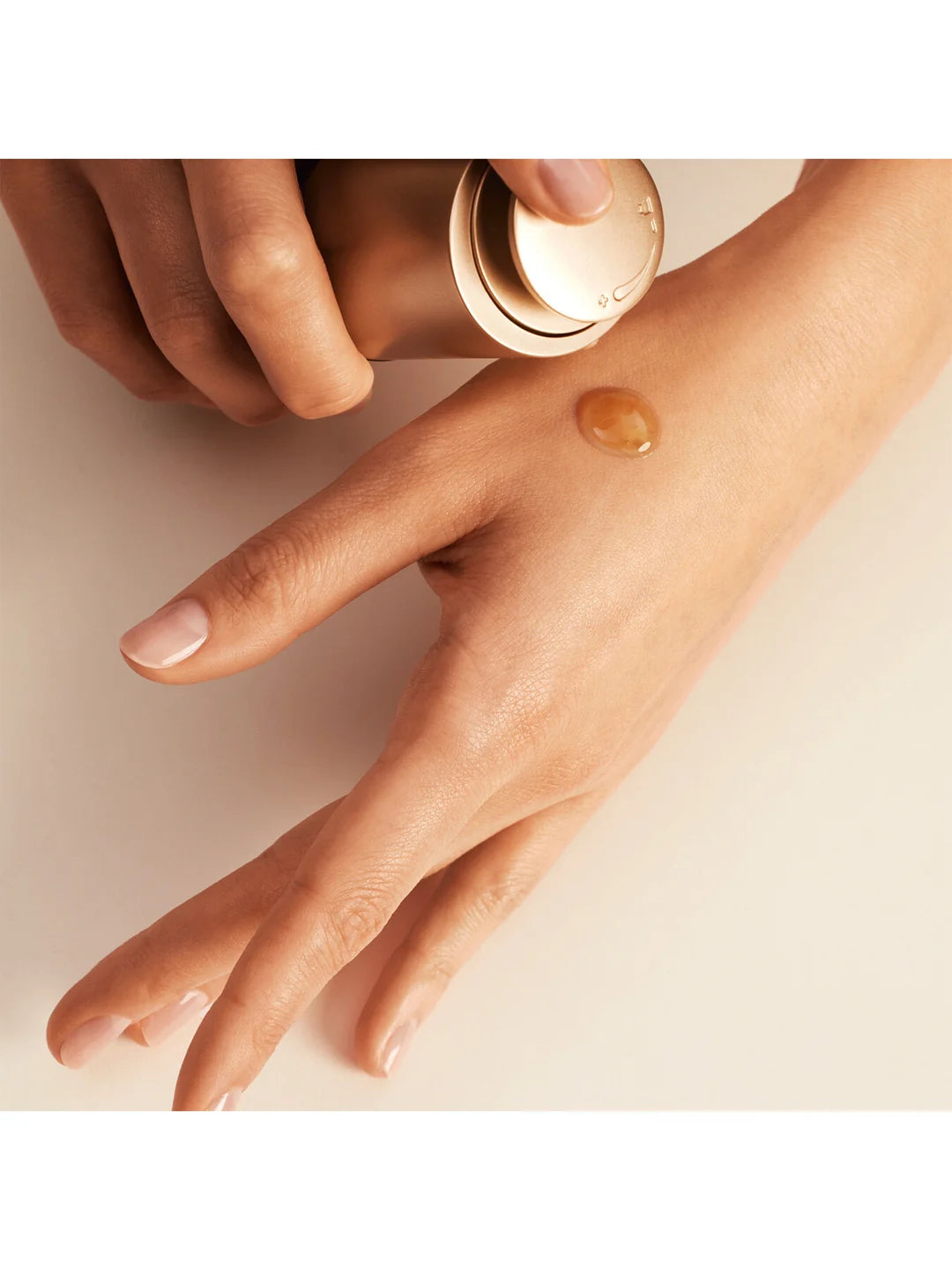
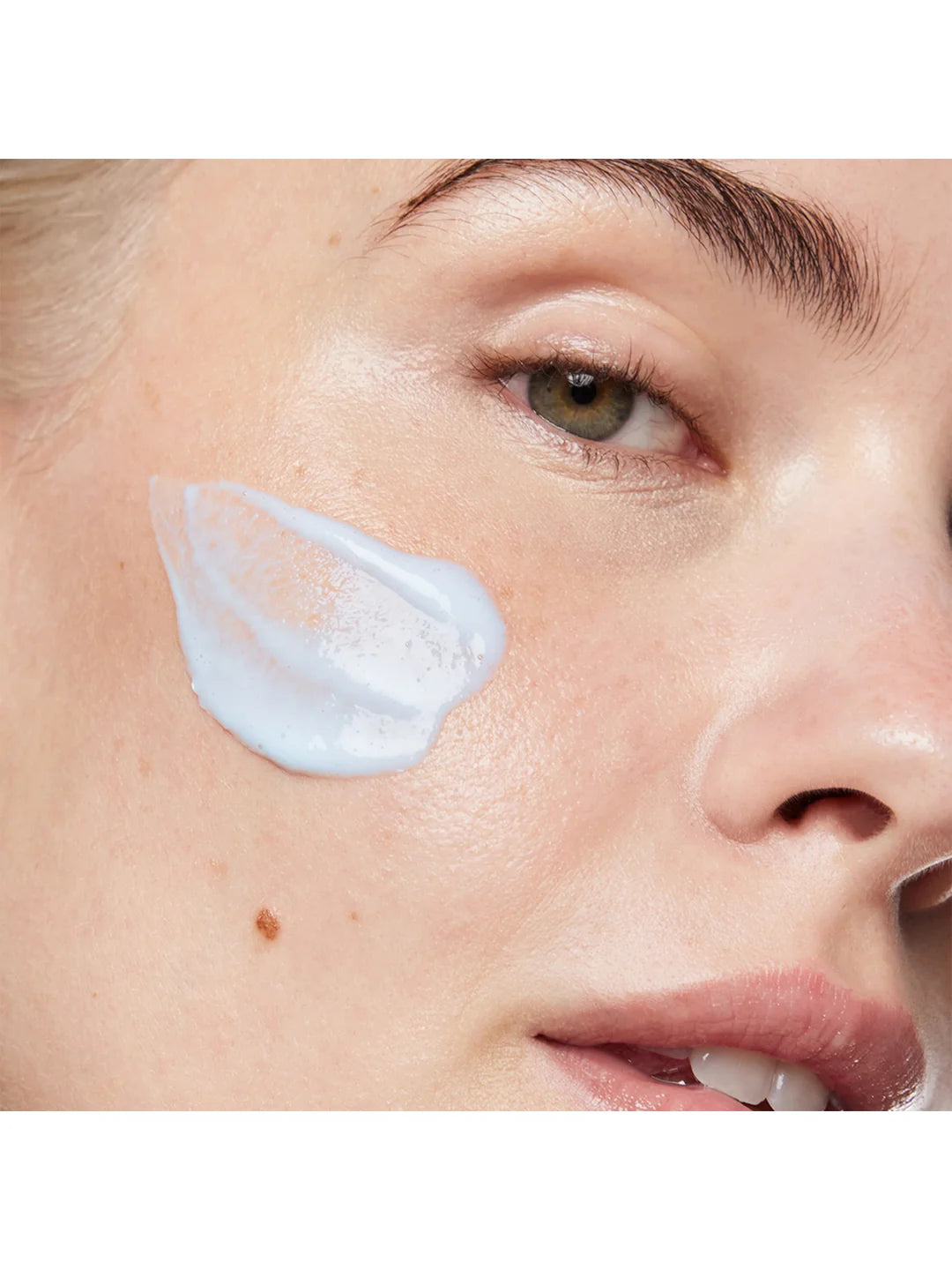
Begin by replacing lightweight summer formulas with products that feel more cushioning on the skin. A creamy cleanser such as Clarins Velvet Cleansing Milk creates a gentler first step, while Charlotte Tilbury’s Magic Serum Crystal Elixir introduces a layer of hydration beneath moisturiser. As temperatures continue to fall, a richer formula such as Liz Earle Skin Repair Rich Cream can help skin feel more comfortable and protected.
And while summer may be over, sun protection should remain part of the morning ritual. UVA rays are present throughout the year, making a broad-spectrum formula such as Dior Solar The Protective Crème SPF50 a worthwhile final step before make-up.
Below, we explore why skin becomes drier during autumn and winter, which ingredients help support the moisture barrier and how to create simple morning and evening routines that carry your complexion comfortably through the colder months.

A Gentler Routine for Dry or Sensitive Skin
As the air cools, the right cleanser can make the difference between comfortable skin and tightness by mid-morning. Foaming formulas that felt refreshing during summer may begin to feel too drying, particularly if your skin is naturally dry or sensitive. In autumn, consider:
•Switching to a cream, milk, balm or oil-based cleanser that removes make-up and SPF without leaving skin feeling stripped. The Ordinary Squalane Cleanser is a gentle option designed to dissolve make-up and daily impurities.
•Using lukewarm rather than hot water.
•Patting the face dry with a soft towel instead of rubbing.
A simple morning routine could include:
1. A gentle cleanse or water rinse, depending on your skin’s needs.
2. A hydrating serum such as The Ordinary Hyaluronic Acid 2% + B5.
3. A cushioning moisturiser such as Kiehl’s Ultra Facial Cream.
4. Broad-spectrum sun protection, such as Dermalogica Dynamic Skin Recovery SPF 50, whenever you will be exposed to daylight.
Your evening routine can follow the same first three steps, replacing SPF with a richer moisturiser or facial oil when needed. If you use retinoids or exfoliating acids, introduce them gradually and reduce their frequency if your skin becomes tight, sore or irritated.
Moisturisers, Emollients and Application Timing
How and when you moisturise can be just as important as the formula itself. Humectants attract water, emollients soften the skin’s surface and occlusives help limit moisture loss. To make the most of your moisturiser:
• Apply it within a few minutes of cleansing or showering, while the skin is still slightly damp.
• Layer a hydrating serum underneath if your skin feels dehydrated.
• Give additional care to exposed areas such as the hands and lips.
• Reapply targeted products after washing your hands or spending time outside.
A nourishing lip treatment such as Kiehl’s Buttermask for Lips can be used overnight or whenever lips feel particularly dry. For hands, elbows and other exposed areas, DIOR Le Baume offers a portable, multi-purpose option for targeted care.
Choosing Between a Lotion, Cream or Balm
Your preferred texture may need to change with the season:
• Lotions and lightweight moisturisers suit normal, combination or oily-but-dehydrated skin. They sit comfortably beneath make-up and are less likely to feel heavy during the day.
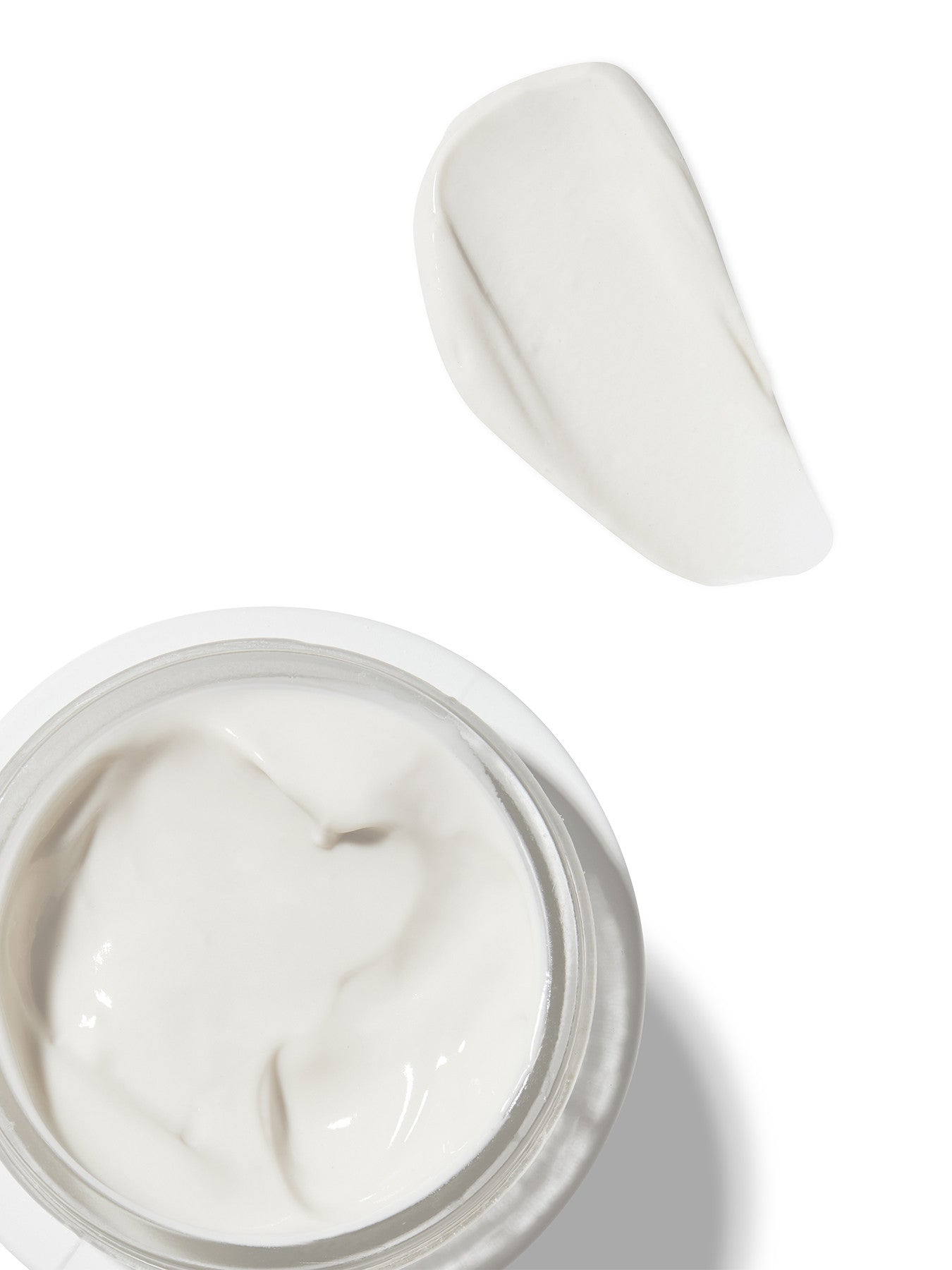
• Creams provide more cushioning and are often better suited to dry or sensitive skin during autumn and winter. A formula such as Kiehl’s Ultra Facial Cream can be used as an everyday moisturising step.
• Balms and ointment-like textures are best for targeted areas such as dry knuckles, rough elbows and flaky patches. Apply them as the final step to help seal in the products underneath.
If your skin is oily but dehydrated, try a hydrating serum followed by a lightweight moisturiser during the day, reserving richer textures for dry areas at night. Very dry or mature skin may benefit from a cream in the morning and a richer cream or a few drops of facial oil in the evening.
Ingredients and Habits That Support the Skin Barrier
Humectants bind water within the upper layers of the skin, helping it appear smoother and better hydrated. Common examples include glycerin, hyaluronic acid, aloe vera and lower concentrations of urea. For autumn, look for:
• Hydrating serums containing glycerin or hyaluronic acid, such as The Ordinary Hyaluronic Acid 2% + B5.
• Moisturisers containing humectants alongside ingredients that soften and seal the skin.
• Urea-based formulas for rough or flaky areas, provided the concentration is appropriate for your skin.
Humectants are most effective when applied to slightly damp skin and followed promptly with a moisturiser. This helps prevent a lightweight serum from feeling insufficient in a centrally heated environment.
Ceramides, Fatty Acids and Occlusives
The skin barrier contains lipids, including ceramides and fatty acids, that help hold skin cells together and limit water loss. When this protective structure is disrupted, skin can become dry, tight and increasingly reactive. To support the barrier during autumn and winter, look for:
• Ceramides and barrier-supporting lipids: The Ordinary Natural Moisturizing Factors + PhytoCeramides is a rich moisturising option designed around these ingredients.
• Nourishing oils: Squalane, rosehip, argan and other plant-derived oils can provide additional softness when layered beneath or mixed with a moisturiser.
• Occlusive ingredients: Petrolatum, dimethicone and richer balms create a protective final layer, making them especially useful at night or on exposed dry patches.
Common Mistakes That Can Worsen Dryness
A few small changes can make an autumn skincare routine much more comfortable:
• Over-exfoliating: Strong acids and frequent scrubs can disrupt an already vulnerable barrier. If moisturiser begins to sting, pause exfoliation and reduce the frequency of retinoids until your skin feels comfortable again.
• Taking very hot showers: Hot water can remove protective oils. Choose warm water and moisturise shortly afterwards.
• Using harsh hand washes: Follow handwashing with a cream or balm, paying particular attention to the knuckles and cuticles.
• Licking dry lips: Saliva evaporates quickly and can leave lips feeling even drier. Apply a nourishing balm before going outdoors instead.
• Wearing rough fabrics against the skin: Coarse wool can aggravate sensitive or eczema-prone skin. Wearing a soft cotton layer beneath knitwear can provide a useful buffer.
If dryness, soreness or symptoms of atopic dermatitis continue despite simplifying your routine, seek advice from a pharmacist, GP or dermatologist rather than continuing to introduce new active ingredients.
Why Skin Feels Drier In Autumn And Winter
When the temperature falls, the air holds less water. Outside, cold wind and low humidity pull moisture from the surface of the skin; inside, central heating has a similar drying effect. This increases what dermatologists call transepidermal water loss – in short, your skin loses water faster than it can comfortably replace it.
You may notice your cheeks, hands and lips feeling tight or flaky after being out in the wind, then sitting by a radiator. Long, hot showers can compound this by dissolving the natural oils that help seal in moisture.
Even though the days are shorter, UV rays are still present in sunlight, particularly UVA, which penetrates glass and cloud. UVA doesn’t cause obvious sunburn in the way UVB does, but it contributes to fine lines, pigmentation and an increased skin cancer risk over time. So while dryness is the dominant concern in autumn, your barrier is managing both environmental stress and lingering UV exposure.
Dry Skin vs Dehydrated Skin
It helps to distinguish between dry and dehydrated skin when choosing products:
•Dry skin lacks oil. It often feels rough or flaky, can look dull, and may be prone to conditions like atopic dermatitis (a form of eczema). You’ll usually notice dryness all year, not just seasonally.
•Dehydrated skin lacks water. Any skin type – even oily or combination – can become dehydrated, especially as indoor heating starts up. Skin may feel tight after cleansing, look more lined, or appear shiny and dry at the same time.
If your skin feels tight and looks slightly papery in autumn, you’re likely dealing with dehydration on top of your underlying skin type. A well-built seasonal routine will address both by adding water (with hydrating ingredients) and sealing it in (with emollients and occlusives).
How UVA, UVB And SPF Work Together
SPF – Sun Protection Factor – is a measure of how well a product protects against UVB, the rays most associated with sunburn. In everyday terms, an SPF 30 used correctly offers significantly more protection than no sunscreen at all, helping reduce cumulative UV damage.
However, UVB is only half the story. UVA rays penetrate more deeply into the skin and are present with relatively consistent intensity all year round, from spring to winter. UVA contributes topremature ageing and plays a role in skin cancer development.
For autumn and beyond, look for a broad‑spectrum sunscreen. This means the product is formulated to protect against both UVA and UVB, offering more complete sun protection than SPF alone might suggest on the label.
When Winter Sunscreen Is Less Necessary
In the UK, there are some scenarios where daily sunscreen becomes less crucial in the depths of winter:
•You spend almost all daylight hours indoors and away from windows.
•You head out only briefly in early morning or late evening when UV levels are very low.
• You’re not using skincare ingredients that increase sun sensitivity, such as strong exfoliating acids or prescription retinoids.
In these cases, especially on dark, overcast winter days, applying SPF to your face every single morning may be less essential. However, this is about context, not a rule; UV exposure is cumulative over many years.
When Daily Sunscreen Still Matters
For many of us, SPF 30+ is still a smart part of an autumn routine. Consider daily sun protection if:
• You commute, walk the dog or exercise outdoors in daylight.
•You sit near large windows during the day.
•You use retinoids, strong exfoliants, or have had sunburn or sun damage in the past.
•You have a history of atopic dermatitis or a compromised barrier; damaged skin may be more vulnerable.
In these situations, a broad‑spectrum SPF 30 applied generously to your face, neck and hands remains worthwhile in autumn and winter, even when it doesn’t feel “sunny”.
Frequently Asked Questions
Do I Need Sunscreen In Winter?
In the UK, UV levels certainly drop in late autumn and winter, but UVA rays are still present and can pass through windows and cloud. If you’ll be outside in daylight for more than around 20–30 minutes, or sitting by large windows, a broad‑spectrum SPF 30 remains a sensible step for exposed areas such as the face, neck and backs of hands.
You may not need a beach‑style application on very short, dark winter days when you’re mostly indoors and away from glass. However, for most people, continuing an SPF 30+ as part of your morning routine on days with meaningful daylight exposure is a practical way to support skin health and reduce cumulative damage over time.
Is SPF Moisturiser Enough?
An SPF moisturiser can be sufficient if:
•It’s labelled broad‑spectrum.
•It offers at least SPF 30.
•You apply enough – usually more than a pea‑sized amount for the face and neck.
In reality, many of us under‑apply moisturiser. If you prefer an SPF day cream, be generous, and don’t rely on the SPF in foundations or powders alone. On brighter days, especially in early autumn, you may still choose a dedicated sunscreen layered over a hydrating cream for more reliable coverage and year‑round sun protection.