The right men’s coat or jacket for autumn and winter is the one that suits your weather, routine and style as much as it suits the season’s trends. In the UK, a single piece of outerwear often has to handle chilly mornings, sudden rain and a smarter evening, so it pays to choose carefully.
Start by thinking about how you spend most days:
• Commuting: If you commute, you may need a polished wool overcoat that still keeps you warm on a windy platform.
• Weekends: If weekends are more casual, a parka or puffer jacket can offer reliable warmth and comfort.
• Travel & Outdoors: If you are often outdoors, walking or travelling, a waterproof or waxed design will be invaluable when the weather turns.
A considered winter outerwear wardrobe does not need to be large. Many men find three core pieces cover almost every situation:
1. A wool overcoat for work, occasions and smart dinners.
2. A parka or puffer jacket for colder, casual winter days.
3. A raincoat, trench or waxed jacket for milder, wet and changeable weather.
Fenwick’s edit focuses on these hardworking styles so you can layer them over everything from tailoring and knitwear to denim and casual trousers, knowing they will earn their place in your wardrobe.
Choose A Coat or Jacket That Works with Your Wardrobe
Before you fall for a particular design, picture how it will look with what you already wear. The easiest men’s coats and jackets to style are usually in versatile, neutral colours and clean silhouettes.
For colour, consider:
• Navy: Works over grey or navy tailoring, with denim and with casual chinos.
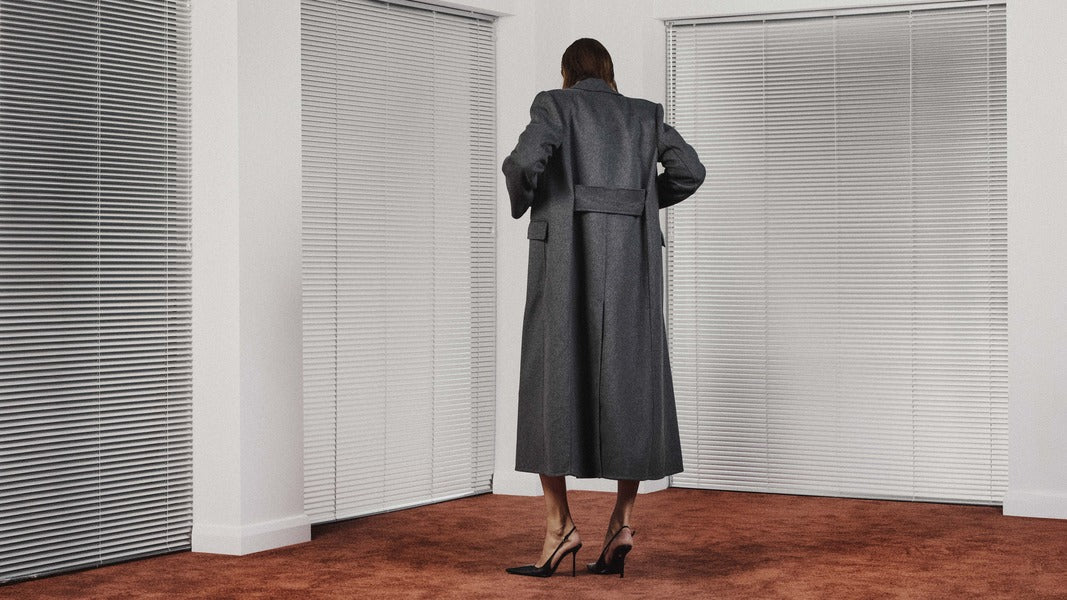
• Charcoal or black: Ideal for city wear, offices and evening dressing; especially good for a minimal wardrobe.
• Camel and tobacco: Refined with dark tailoring, denim and knitwear; they add warmth without being loud.
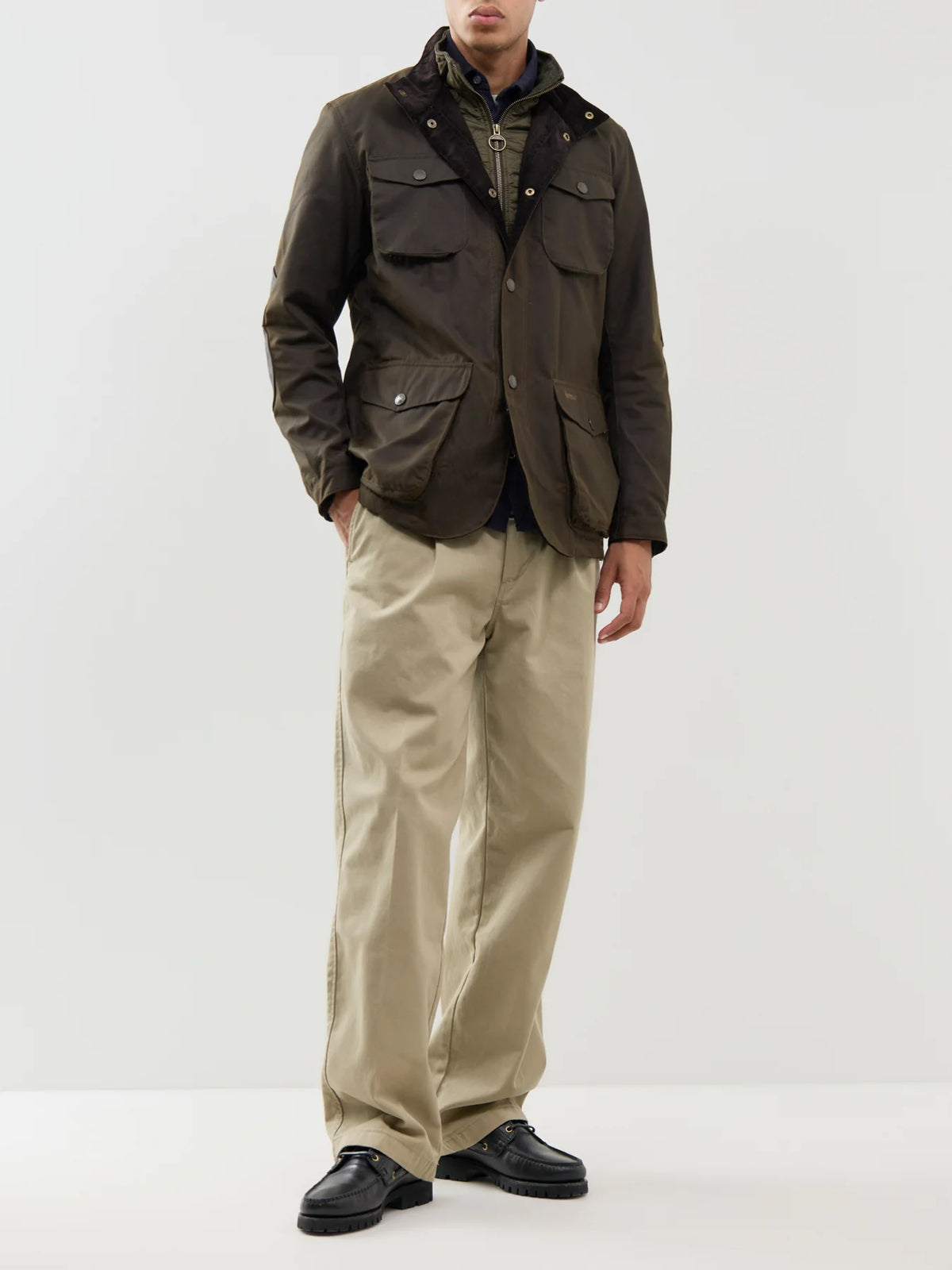
• Olive or khaki: Particularly easy in parkas and casual jackets; they sit well with denim, ecru, navy and black.
These shades make outerwear simple to layer across your week, minimising clashing and maximising wardrobe value.
Next, check the style. If your wardrobe leans tailored, a clean, single-breasted overcoat or trench will feel natural. If you live in knitwear, jeans and casual shirts, a shorter jacket, parka or puffer may be more in tune with your day-to-day outfits. Aim for outerwear that feels like an extension of your existing style, rather than a piece you have to build every look around.
What to Consider Before Choosing a Men's Coat
The fabric you choose will determine both the feel and function of your coat. For warmth, wool is a considered choice: a wool or wool-blend overcoat helps retain heat while draping neatly over tailoring or knitwear. On colder days, down or synthetic insulation in a puffer jacket can provide warmth without adding too much weight. For rain protection, look instead for a waterproof technical shell, with features such as sealed seams and a protective lining. The fabric, lining and construction all affect how comfortable a coat feels, so choose according to the weather you face most often; no single material is best for both warmth and rain protection.
When it comes to wet weather, fabrics matter as much as construction:
• Waterproof coats: For reliable protection in heavy rain, choose a waterproof shell with taped seams, a protective hood and a storm flap over the zip. For showers and drizzle, a water-resistant finish may be enough. Check that the hood adjusts securely and the zip is covered to help keep water out.
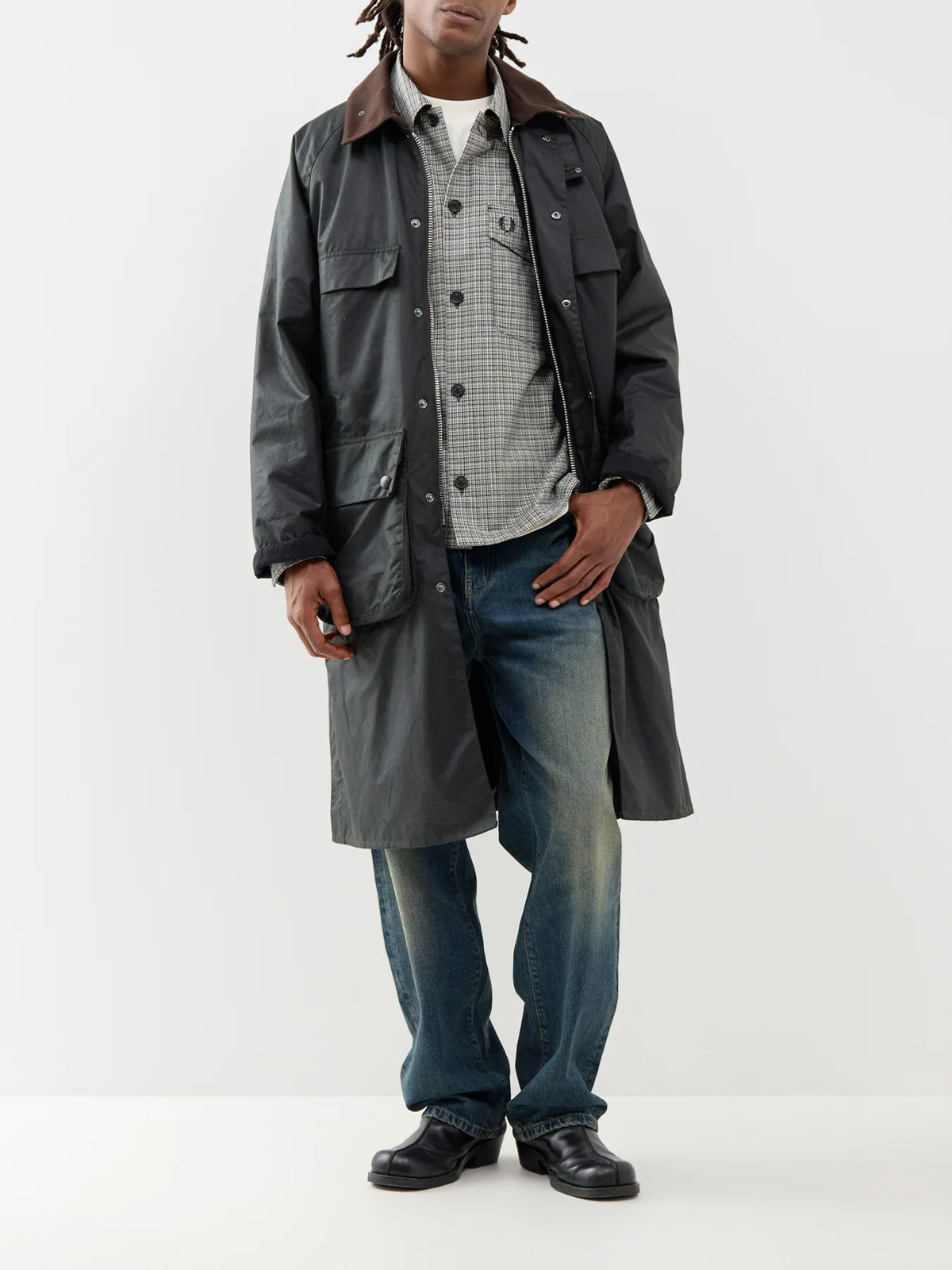
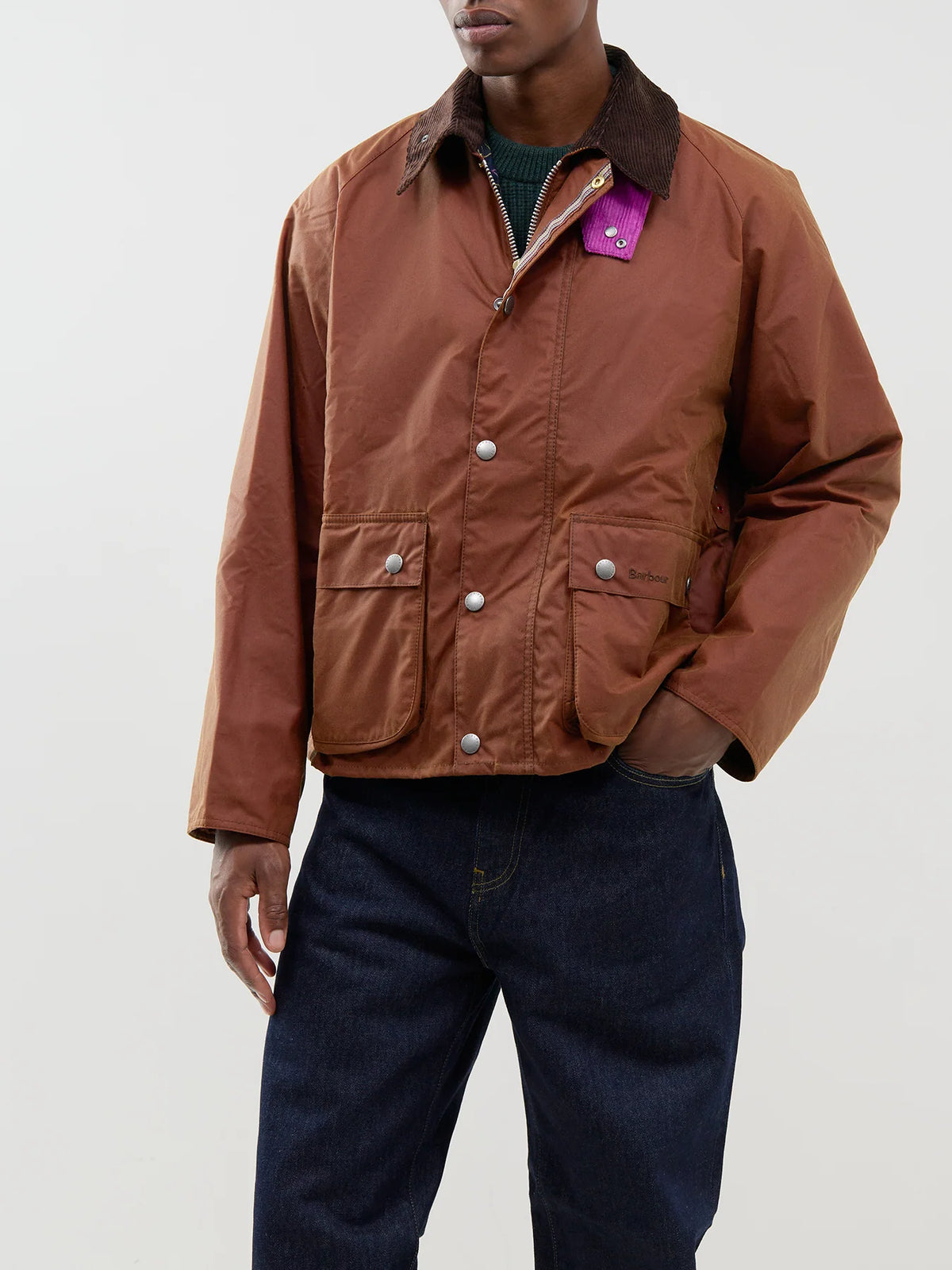
• Waxed cotton jackets: These offer a traditional look with practical weather resistance. They are not fully waterproof in extreme conditions but handle showers and drizzle well while remaining breathable.
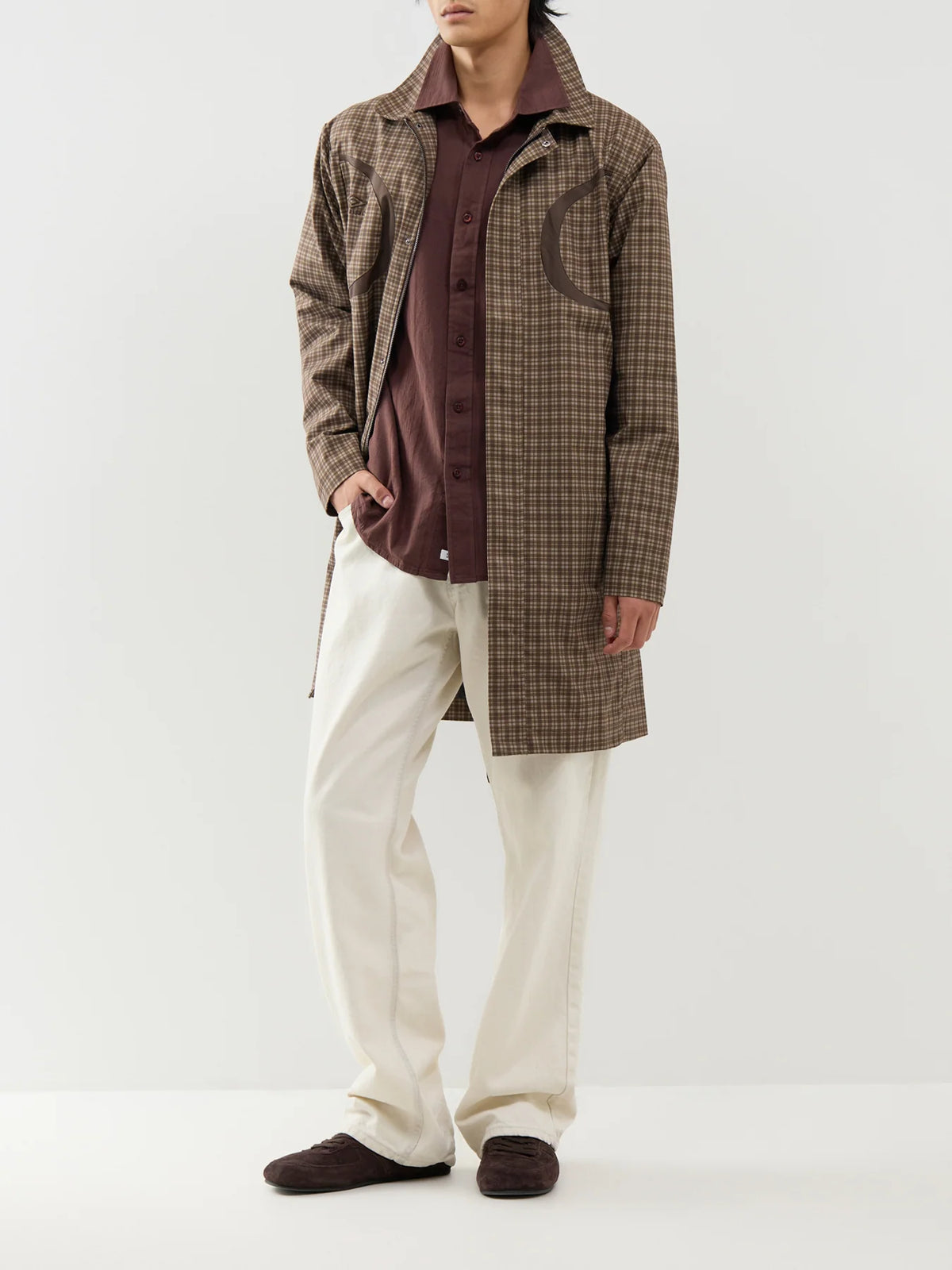
•Trench and raincoats: Often made in tightly woven cotton or technical blends, they are ideal for changeable autumn weather and milder winter days.
Choosing between a wool overcoat, waxed jacket or puffer depends on when you will wear it most:
• Pick a wool overcoat when you want polish and structure, especially for work and occasions.
• Choose a waxed jacket when you value a rugged, outdoorsy look and need something that can handle showers on country walks or in the city.
• Opt for a puffer or insulated parka when low temperatures and warmth are your priority; they are particularly useful for early-morning commutes or time outdoors in mid-winter.
How Should a Men's Winter Coat Fit?
A men’s coat should fit comfortably over what you layer underneath, whether that is a thick jumper or a tailored blazer.
When trying on outerwear, wear or imagine your usual winter layers:
• Over knitwear, you should be able to move your shoulders freely and raise your arms without the coat pulling across your back.
• Over tailoring, the coat needs enough room through the shoulders and upper arms so that the suit maintains its shape underneath.
Across the chest, the coat should close easily without strain on the buttons or zip. Around the neck, you want enough space for a scarf but not such a wide opening that cold air pours in.
Length also plays a key role:
• A hip-length jacket or short parka is practical and casual, ideal for weekends, driving and more relaxed workplaces.
• A mid-thigh to knee-length coat offers more coverage from wind and rain and pairs well with tailoring, making it a strong choice for commuting and formal settings.
Think about your usual trousers and footwear too: longer coats look balanced with straight or slim trousers and boots, while shorter jackets work well with jeans, chinos and trainers for an everyday, casual look.
Versatile Colours and Wardrobe Value
Colour can quietly determine how much you actually wear a coat. To maximise cost-per-wear, focus on timeless, versatile shades first, and introduce bolder tones only if they genuinely complement your wardrobe.
Navy, charcoal, black, camel, stone and olive tend to offer the greatest wardrobe value. They layer seamlessly with typical men’s winter palettes of denim blue, grey, cream, burgundy and forest green. If you love colour, try adding it through accessories - such as a textured scarf, beanie or gloves - rather than committing to a brightly coloured coat that may date more quickly.
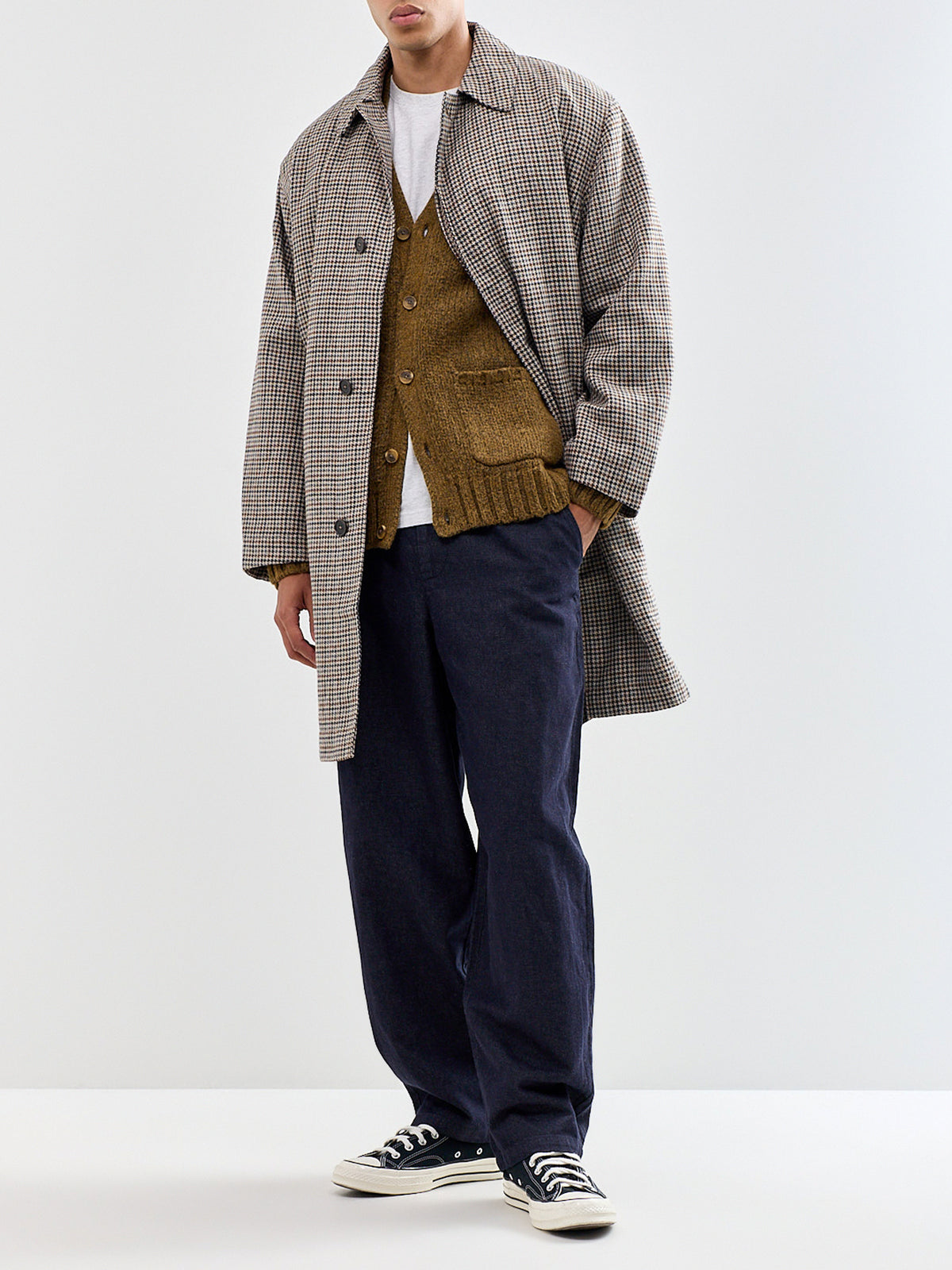
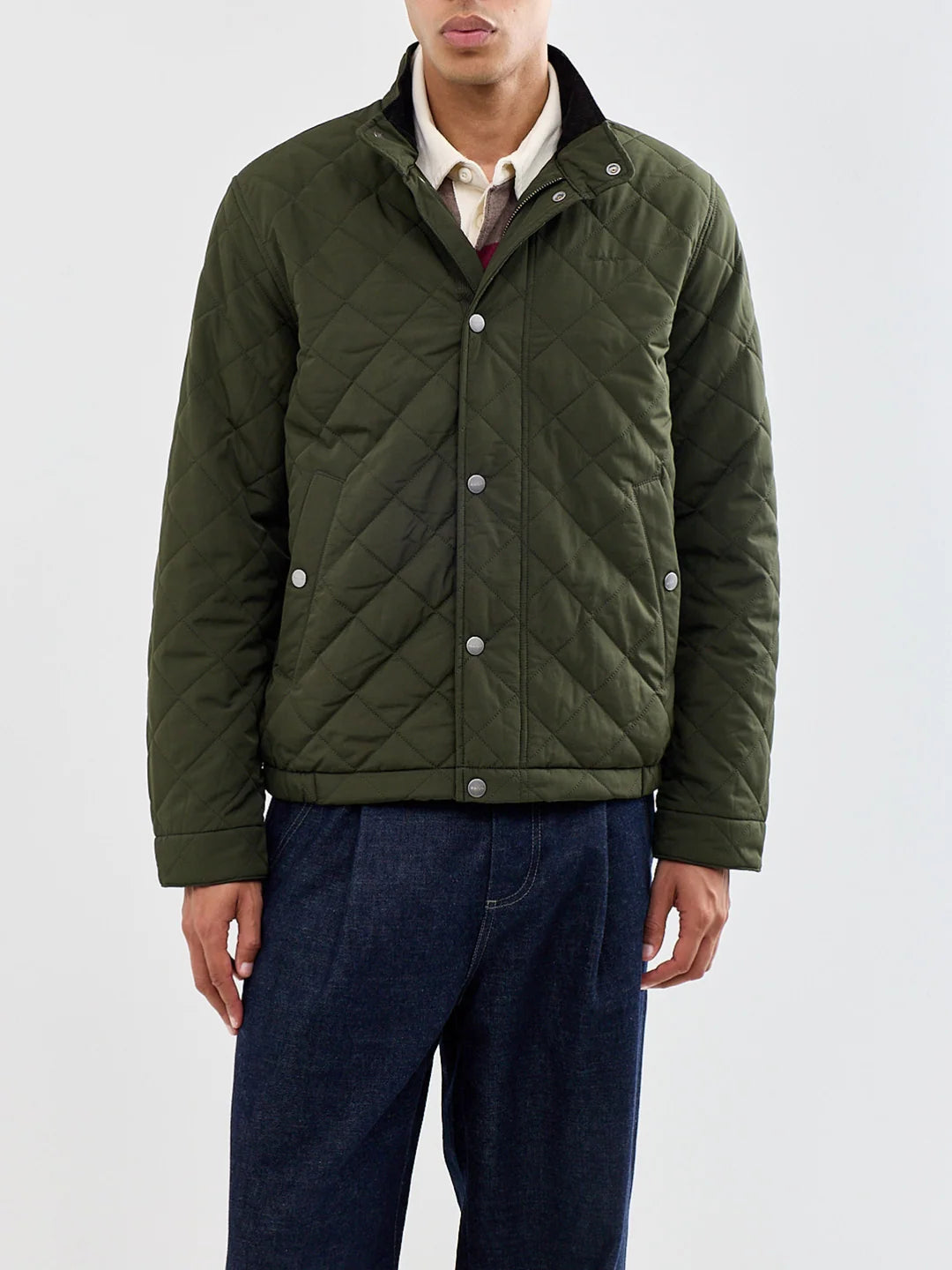
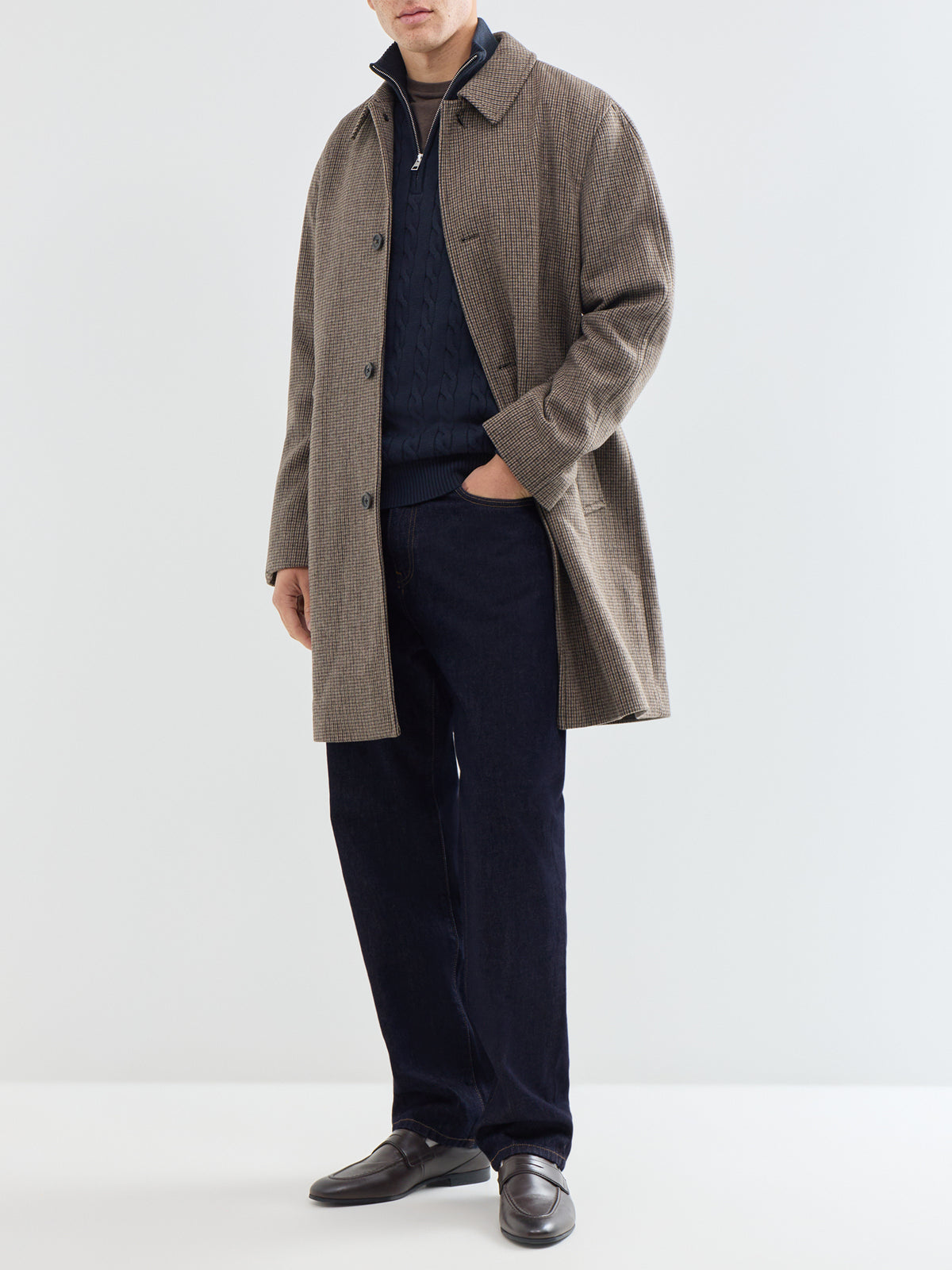
Men's Coats and Jackets for Different Winter Needs
For men who need their winter outerwear to work over tailoring, a wool overcoat is often the most refined solution. Typically cut to mid-thigh or knee length, with clean, softly structured shoulders, it layers neatly over suits and smart trousers, providing warmth without overwhelming your frame. A pea coat sits slightly shorter, usually just below the hip, with a double-breasted front. Traditionally navy and made from dense wool, it offers a smart but slightly more casual alternative to a classic overcoat, ideal over knitwear, chinos and dark denim.
Both styles suit:
• Office dressing and evening occasions.
• Smart-casual looks with roll-neck jumpers and tailored trousers.
• Weekend plans where you still want a polished appearance.
If you wear a blazer regularly, look for an overcoat specifically cut to allow room in the shoulders and sleeves. Single-breasted designs are simpler to button comfortably over tailoring, while a subtle notch lapel will always look timeless.
Parkas and Puffers for Colder Days
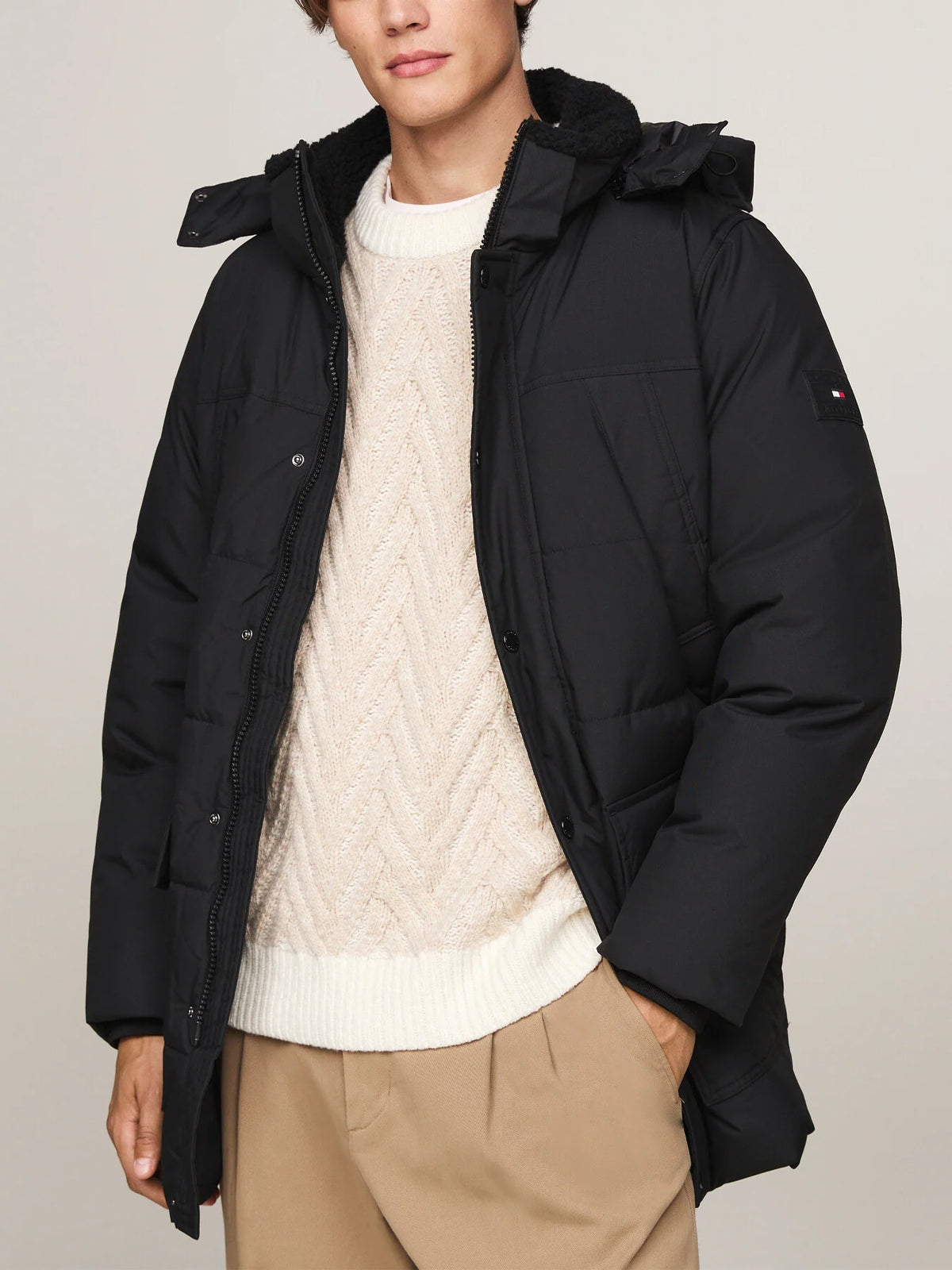
When warmth comes first, parkas and puffer jackets are the most practical winter choices. A parka usually comes with an insulated lining, generous hood —sometimes trimmed with faux fur—and often a slightly longer length, offering extra protection from wind and rain. It works for commuting with chunky boots and tailored trousers, but also for off-duty wear with jeans and knitwear.
Puffer jackets focus on insulation, using down or synthetic fill stitched into quilted channels. Longer puffers that reach mid-thigh provide blanket-like warmth, while shorter styles feel lighter and more casual. If you prefer a clean, city-facing look, choose a puffer in a matte fabric and a simple colour like black, navy or deep green.
Parkas and puffers are particularly useful for:
• Early-morning and late-evening commutes.
• Spectating at outdoor sports.
• Weekend walks in very cold, dry or lightly wet weather.
They are the pieces you will reach for on the coldest winter days, when lighter coats simply will not do.
Raincoats, Trenches and Lighter Jackets for Changeable Weather
For autumn and milder winter days, a raincoat, trench or lighter jacket can be the most practical option, especially in the UK’s unpredictable weather.
A trench coat in cotton or a technical blend offers classic style with everyday functionality. Belted at the waist, it sits comfortably over suits and knitwear, keeping the rain off without adding too much bulk. A modern raincoat or mac, usually straight-cut and unbelted, has a minimal look that suits both tailoring and casual outfits.
Lighter jackets - from waxed cotton to technical shell designs - are particularly useful for layering. Wear one over a fine knit on warmer autumn days, then add a heavier jumper or fleece beneath when temperatures drop. A hip-length waxed jacket, for instance, partners well with denim and sturdy boots for country walks yet still looks considered in town.
If you are unsure whether to choose a shorter jacket or longer coat for rainy days, consider your trousers and shoes. Longer styles protect suit trousers and shoes from splashes, while shorter designs may feel easier to wear with casual, weather-resistant boots.
Frequently Asked Questions
What Is the Difference Between a Coat and a Jacket?
Although the terms often overlap, there are useful distinctions:
• A coat is usually longer - often mid-thigh to knee length or more - and designed primarily for warmth and weather protection. Overcoats, trenches and parkas all sit in this category.
• A jacket is generally shorter, finishing around the hip. It can be lighter in weight and sometimes more casual, like a bomber, waxed jacket or short puffer.
For deep winter, men typically rely on coats for coverage and warmth, with jackets offering additional options for milder or more casual days.
Which Coat Styles Work Well Over Tailoring?
When you regularly wear suits or blazers, look for coats specifically designed to accommodate tailoring:
• Single-breasted wool overcoats with a clean front and minimal detailing.
• Chesterfield-style coats, often with a slightly tailored shape and simple lapels.
• Balmacaan or car coats, cut straight with raglan sleeves that give extra room at the shoulders.
• Trench coats in refined fabrics, long enough to cover the hem of your blazer.
The key is a streamlined design that allows your tailoring to sit smoothly underneath. When trying on, wear your suit jacket or at least a similar-structured layer, and check that you can button the coat without pulling at the shoulders or across the chest.
How Should a Winter Coat Fit Over Knitwear?
A well-fitting winter coat should feel comfortable, not constricting, over your favourite jumpers and layers. When testing the fit:
• Put on the type of knitwear you are most likely to wear—perhaps a chunky crew neck or roll neck.
• Slip on the coat and fasten it fully.
• Cross your arms, raise them in front of you and reach gently overhead.
If the fabric feels tight across your back or the sleeves pull significantly, you may need a size up or a different cut. Sleeves should cover the cuffs of your knitwear without swallowing your hands, and the shoulders should sit smoothly rather than bulging or collapsing. Allowing this extra room ensures your coat remains comfortable throughout autumn and winter, whether you are wearing a light layer in October or a thicker knit in January.
Consider what you need from your outerwear - warmth, weather protection, style and versatility - and build from there. Fenwick’s men’s coat and jacket collections bring together refined overcoats, practical parkas, insulated puffers and weather-ready raincoats so you can create a winter wardrobe that feels polished, practical and ready for every forecast.