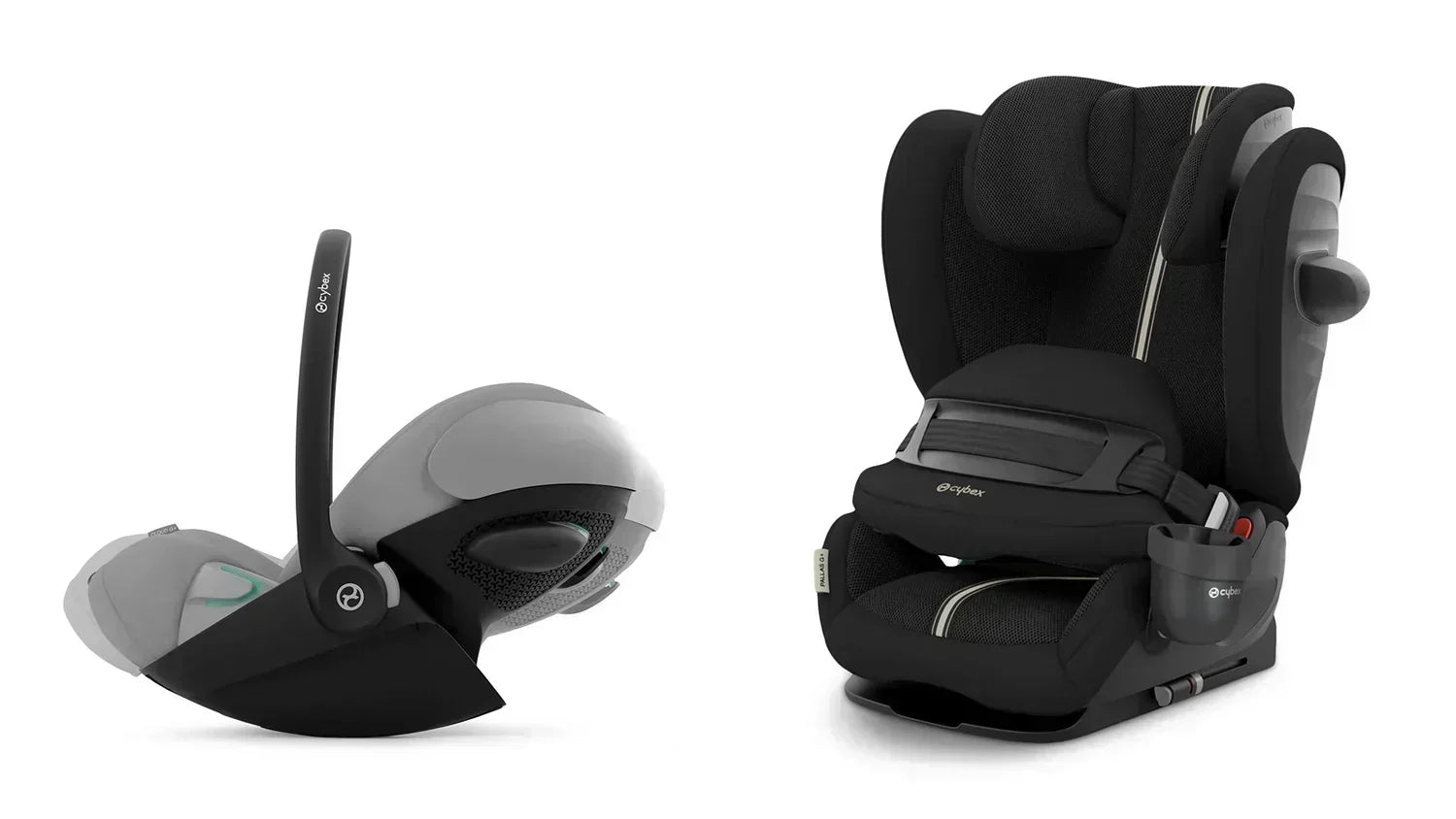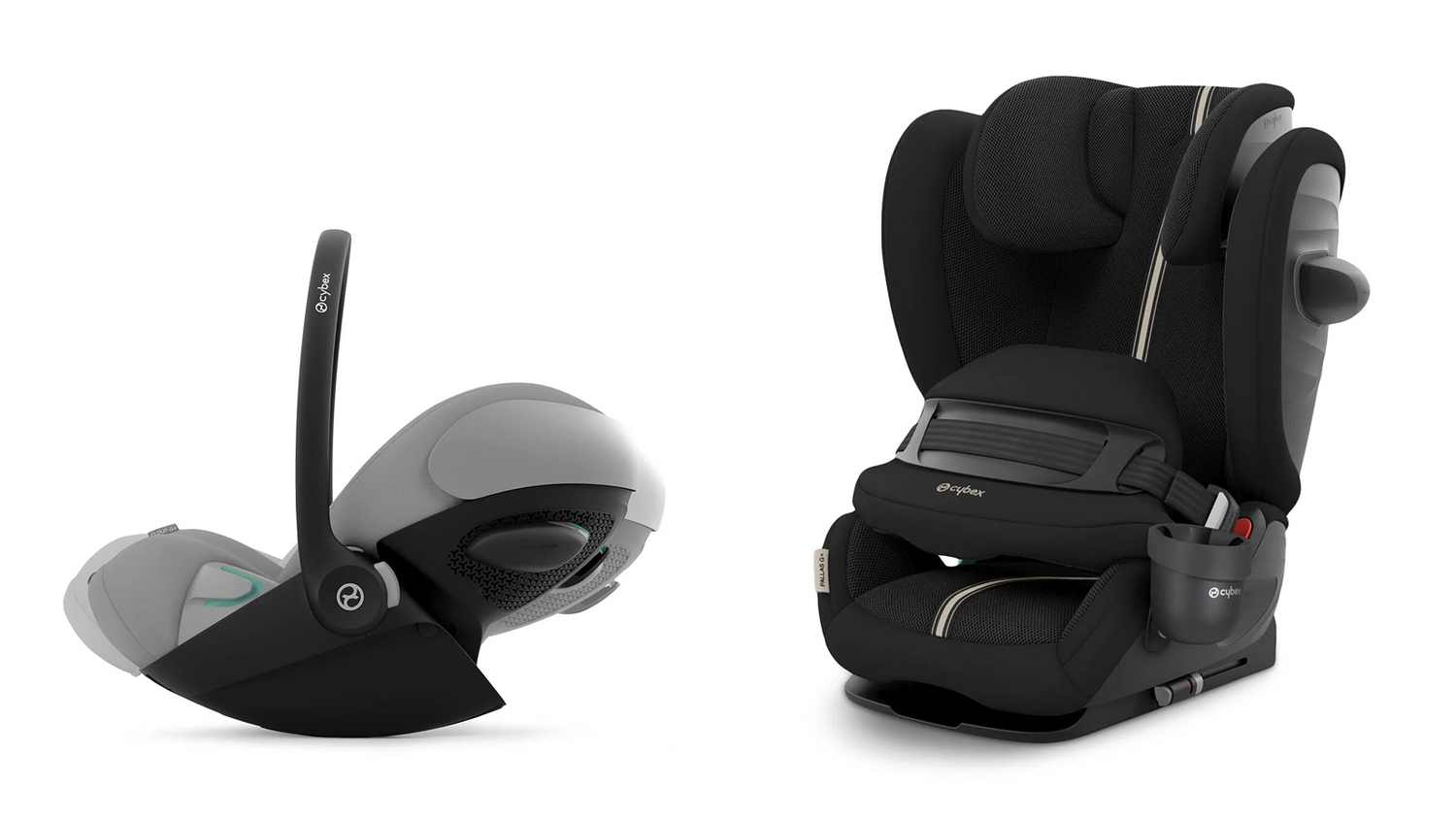
Choosing the right baby car seat is one of the most important decisions you’ll make for your child’s everyday safety, whether you’re bringing a newborn home for the first time or upgrading for the next stage. The ideal option should offer trusted protection, an excellent fit for your vehicle, and the kind of thoughtful design that makes every journey feel calmer and more convenient.
In this guide, we’ll walk you through the key baby car seat types by age, the appeal of spinning car seats, and the answers to the questions parents search for most.
Car Seats by Age
As your child grows, their car seat needs change, so it’s helpful to choose with both today and the months ahead in mind. Below is a clear breakdown of the main options.
Infant Car Seats
Infant car seats are designed specifically for newborns and young babies, offering a secure, supportive fit for smaller frames. Typically rear-facing, they’re crafted to protect your baby’s head, neck and spine, with a more cocoon-like shape that suits the earliest stage.
Many parents appreciate the convenience of a lightweight carry handle and travel-system compatibility, making transitions from car to pram feel seamless, especially on busy days.
Convertible Car Seats
Convertible car seats are made to evolve with your child, moving from rear-facing in infancy to forward-facing as they grow. They’re an excellent choice if you’d like one refined, long-term solution rather than switching seats frequently.
Look for features that enhance everyday ease, intuitive recline positions, adjustable headrests and harnesses, and comfortable padding, so each stage feels just as considered as the last.
Booster Seats
Booster seats are intended for older children who are ready to transition from a harnessed car seat to using the vehicle’s seat belt safely. The booster’s purpose is simple but essential: positioning the seat belt correctly across the child’s body for proper protection.
High-back boosters can offer additional head and side support, while backless boosters are often chosen for older children and certain vehicle setups.
Flexibility & Ease of Spinning Car Seats
Benefits of Spinning Car Seats
Spinning car seats are designed to rotate towards the car door, making it significantly easier to lift your child in and out, especially helpful when you’re dealing with tight parking spaces, awkward angles, or a sleeping baby you’d rather not disturb.
For parents and caregivers, that simple rotation can feel like a quiet luxury: less bending, less strain, and a smoother start (and end) to every trip.
Versatility for Growing Children
Beyond convenience, spinning seats can offer impressive versatility across developmental stages. Many models support extended rear-facing, then rotate to forward-facing when the time is right, without sacrificing fit or comfort.
This adaptability is particularly valuable as your child grows quickly and their seating position needs to change, allowing you to fine-tune recline, harness height, and orientation with minimal fuss.
FAQs
What car seat is best for newborns?
For newborns, an infant car seat (rear-facing) is often the most suitable choice, as it’s specifically shaped to support very small babies and provides a secure, snug fit. Prioritise a model that fits your vehicle well, is simple to install correctly, and offers excellent head and neck support.
When should I switch to a forward-facing car seat?
Many parents choose to keep children rear-facing for as long as their seat allows, as this position offers strong support for the head, neck and spine in the event of an impact. The right time to switch depends on your child’s height and weight, as well as the limits of your specific seat, always follow the manufacturer’s guidance.
Are spinning car seats worth it?
If you value everyday ease, they can be an excellent investment. A spinning car seat can make loading and unloading simpler, reduce physical strain, and help you secure the harness more comfortably—particularly useful for frequent journeys or if multiple caregivers are using the seat.