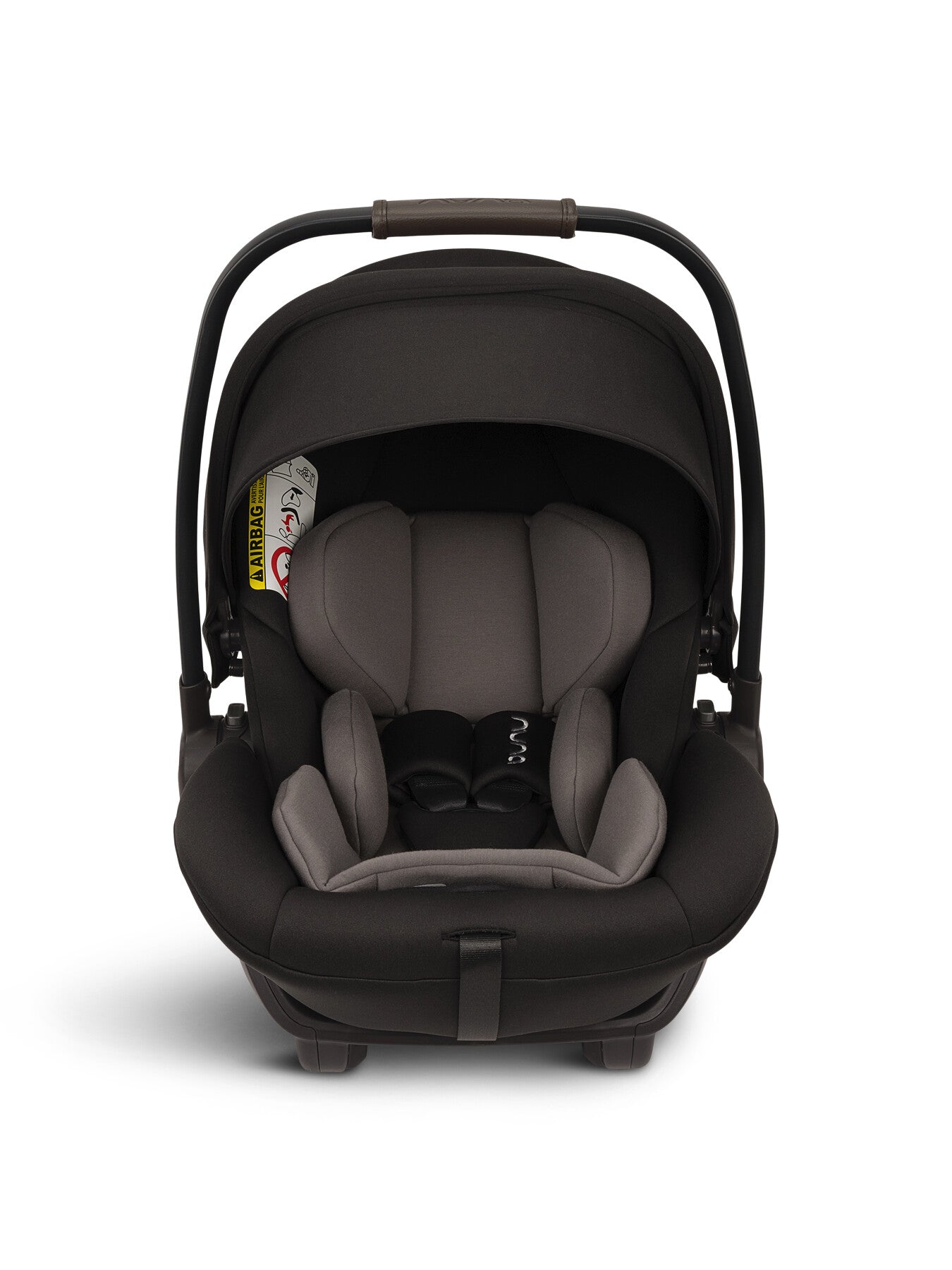
What Are the Benefits of a Spinning Car Seat?
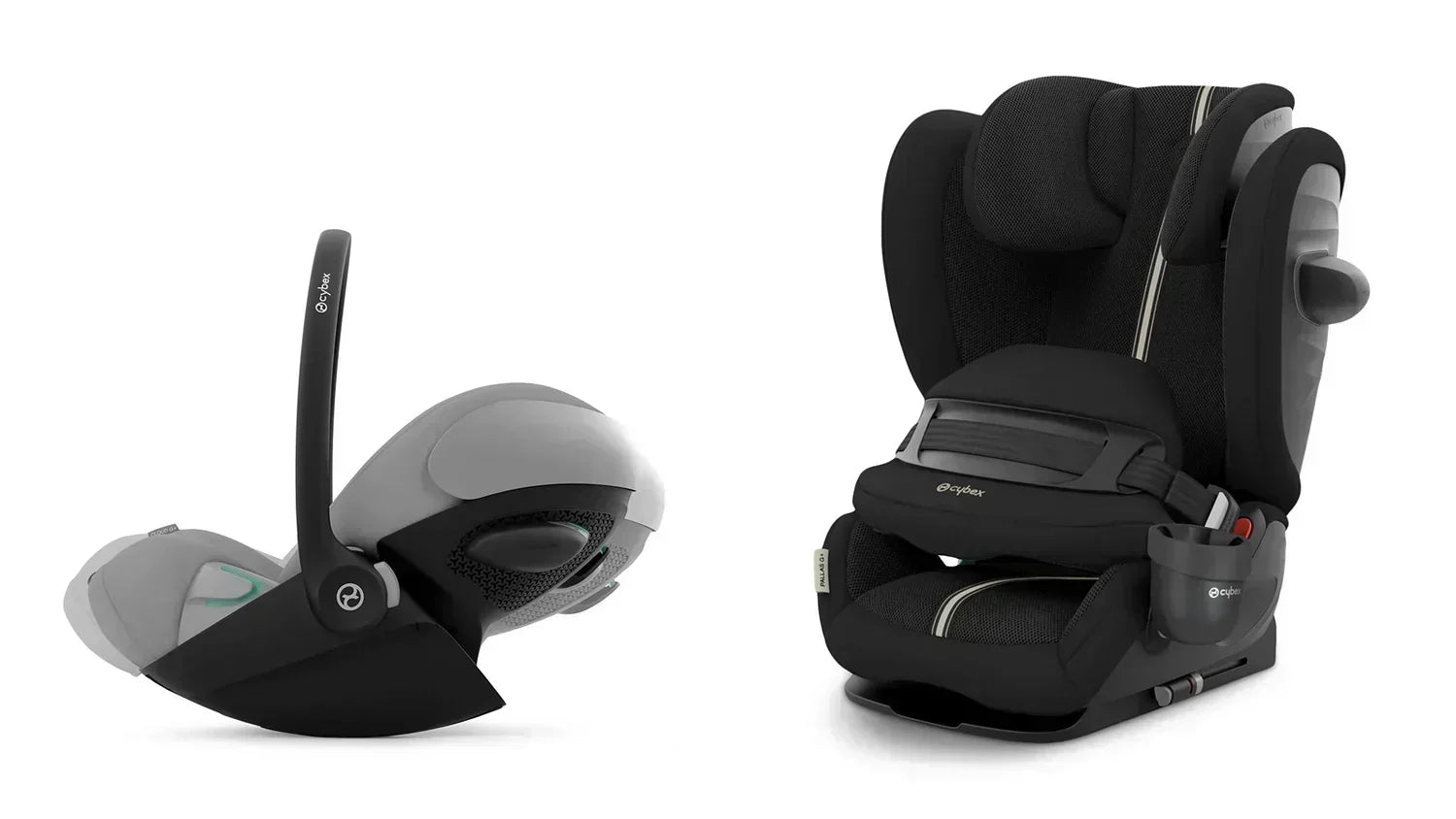
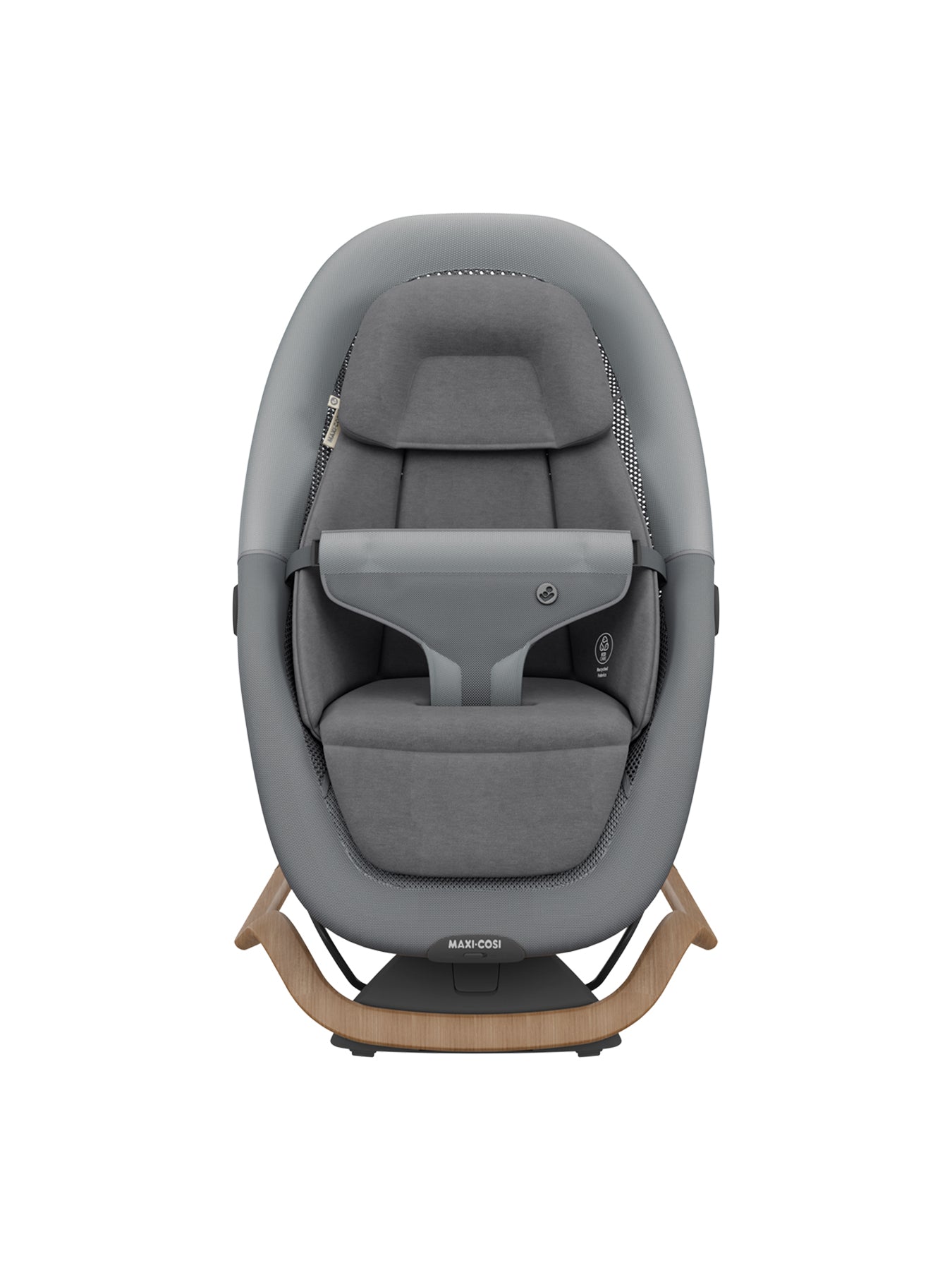
A spinning car seat, also known as a rotating car seat, turns towards the car door, making it easier to place your child into the seat and secure the harness.
This is especially useful when parking in tight spaces or lifting a baby or young child in and out of the vehicle multiple times a day.
For parents and caregivers, a rotating baby car seat makes everyday journeys more convenient by letting you turn the seat towards you while fastening the harness, reducing the need to lean or twist awkwardly into the vehicle.
Rotating Car Seats for Growing Children
Many rotating car seats support children through multiple stages, with some models allowing extended rear-facing use before rotating into a forward-facing position in line with manufacturer guidance.
Adjustable headrests, harnesses and recline positions also make it easier to adapt the seat as your child grows, offering many of the same long-term benefits as a standard convertible seat, with added everyday convenience.
If you're considering a rotating car seat, check its approved height and weight ranges, installation requirements and available seating positions to confirm it suits your child and vehicle.
How to Choose the Right Baby Car Seat: 7 Things to Check
When comparing baby car seats, look beyond design. The best option for your family depends on your child, your vehicle, and how you use your car day to day.
- Your child's age, height and weight — Check the car seat is suitable for your child's current stage and size.
- Your vehicle — Confirm the car seat is compatible with your vehicle and can be installed correctly.
- Installation — Choose an installation system you understand and can use correctly every single time.
- Rear-facing use — Check the manufacturer's guidance on rear-facing use, plus the seat's height and weight limits.
- Adjustability — Adjustable harnesses, headrests and recline positions help the seat adapt as your child grows.
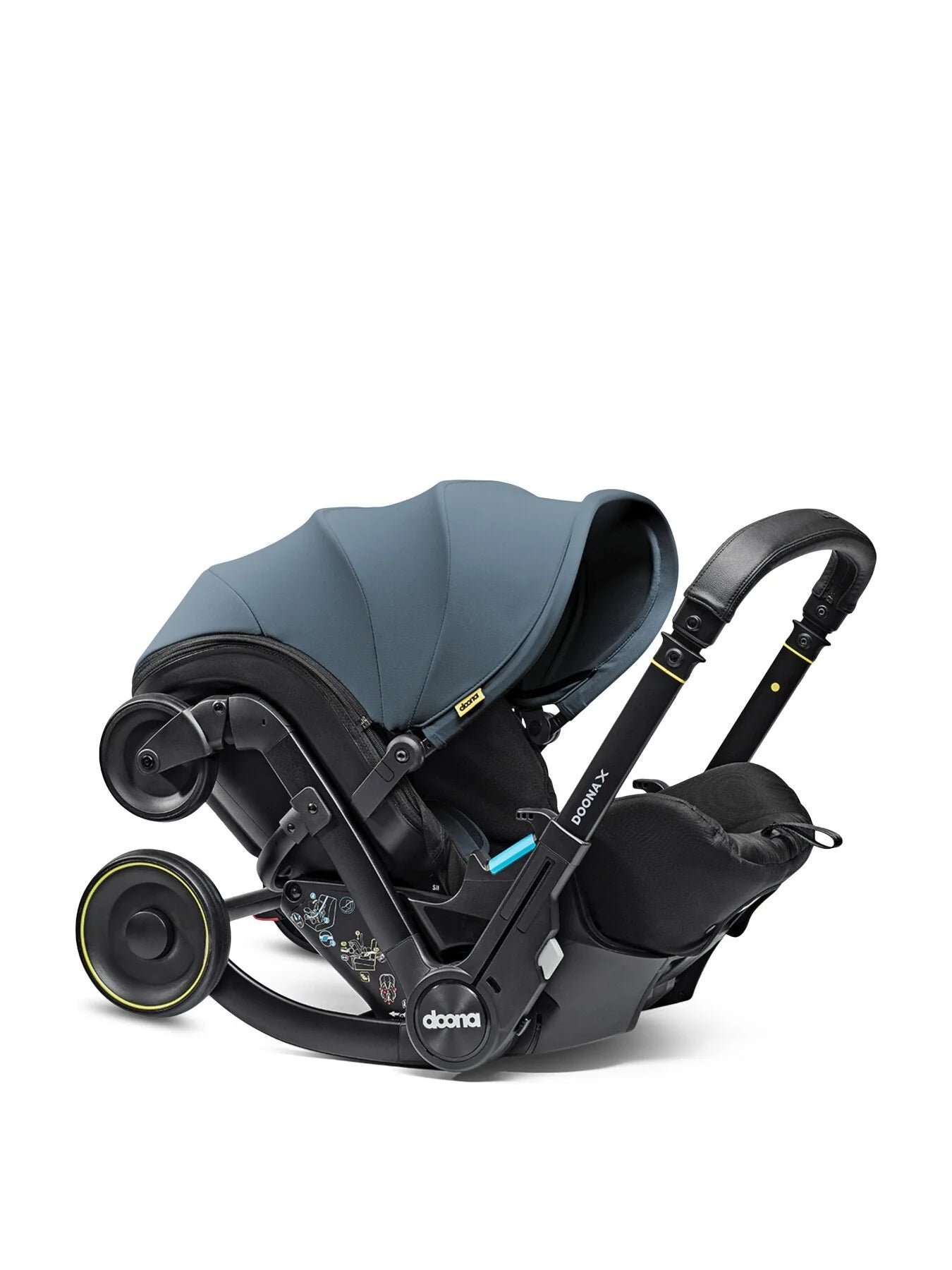
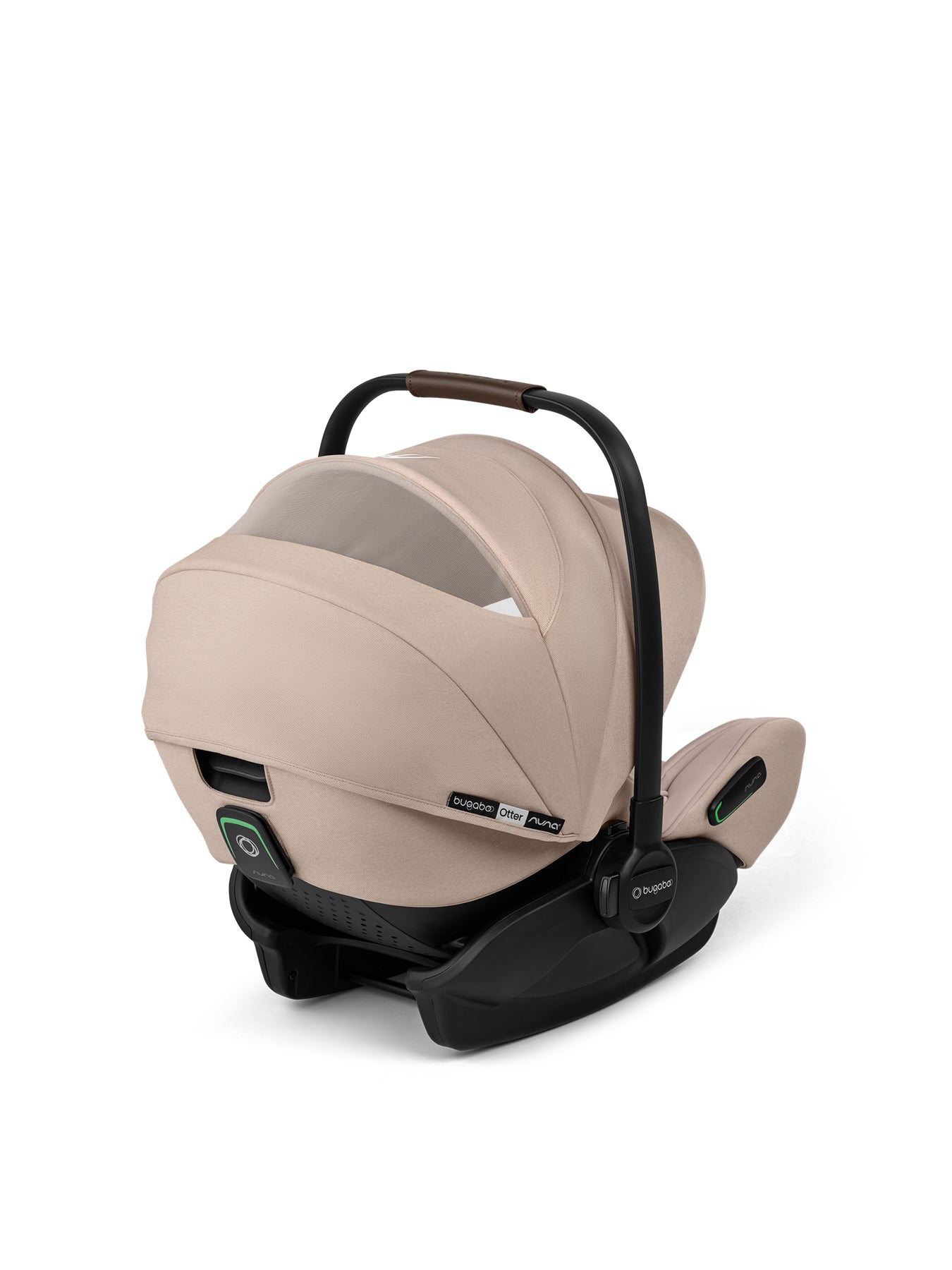
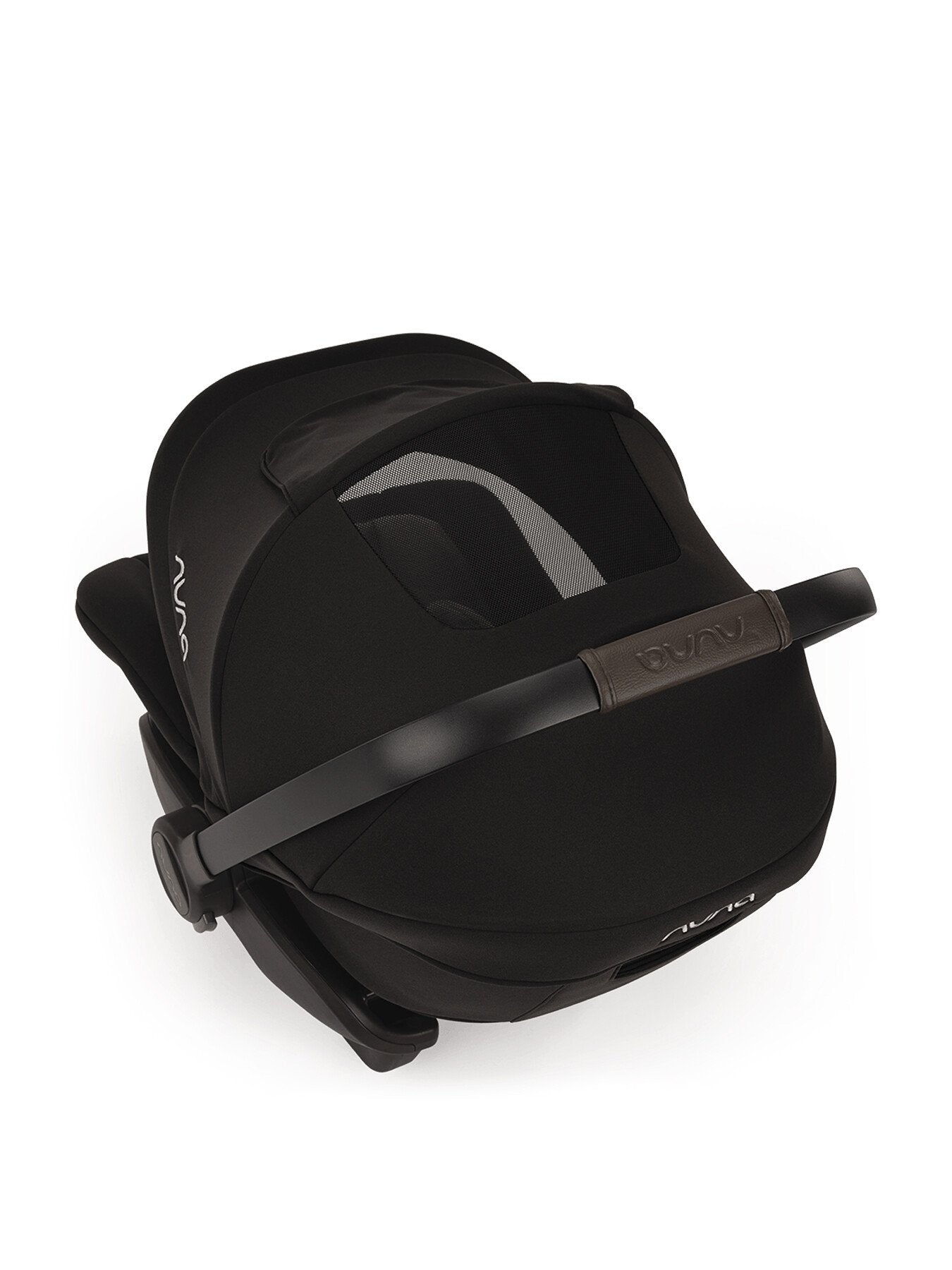
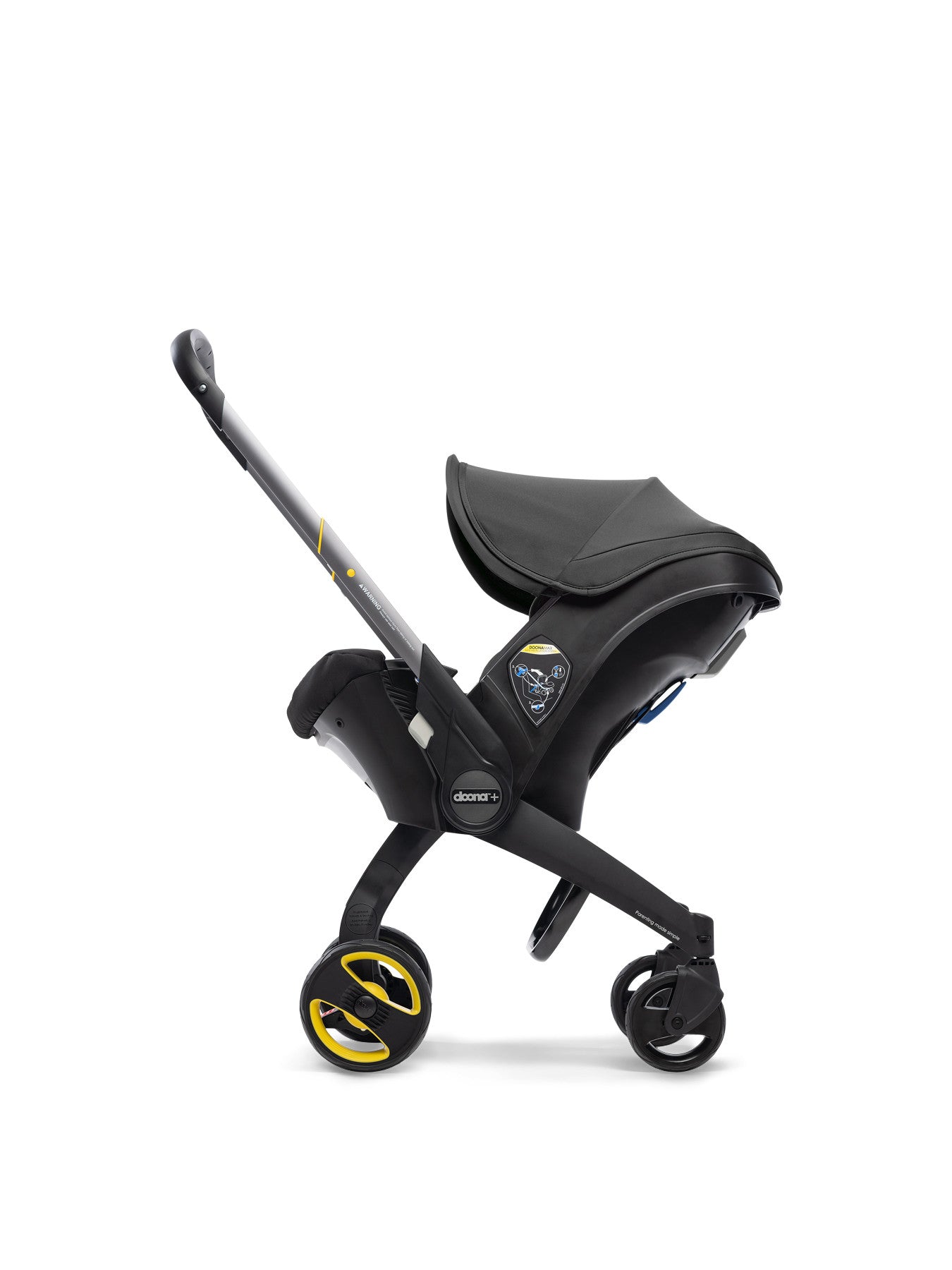
- Everyday convenience — Features like rotation, carry handles or travel-system compatibility can make daily journeys easier.
- Manufacturer guidance — Always follow the instructions supplied with your specific car seat.
FAQs
What car seat is best for a newborn?
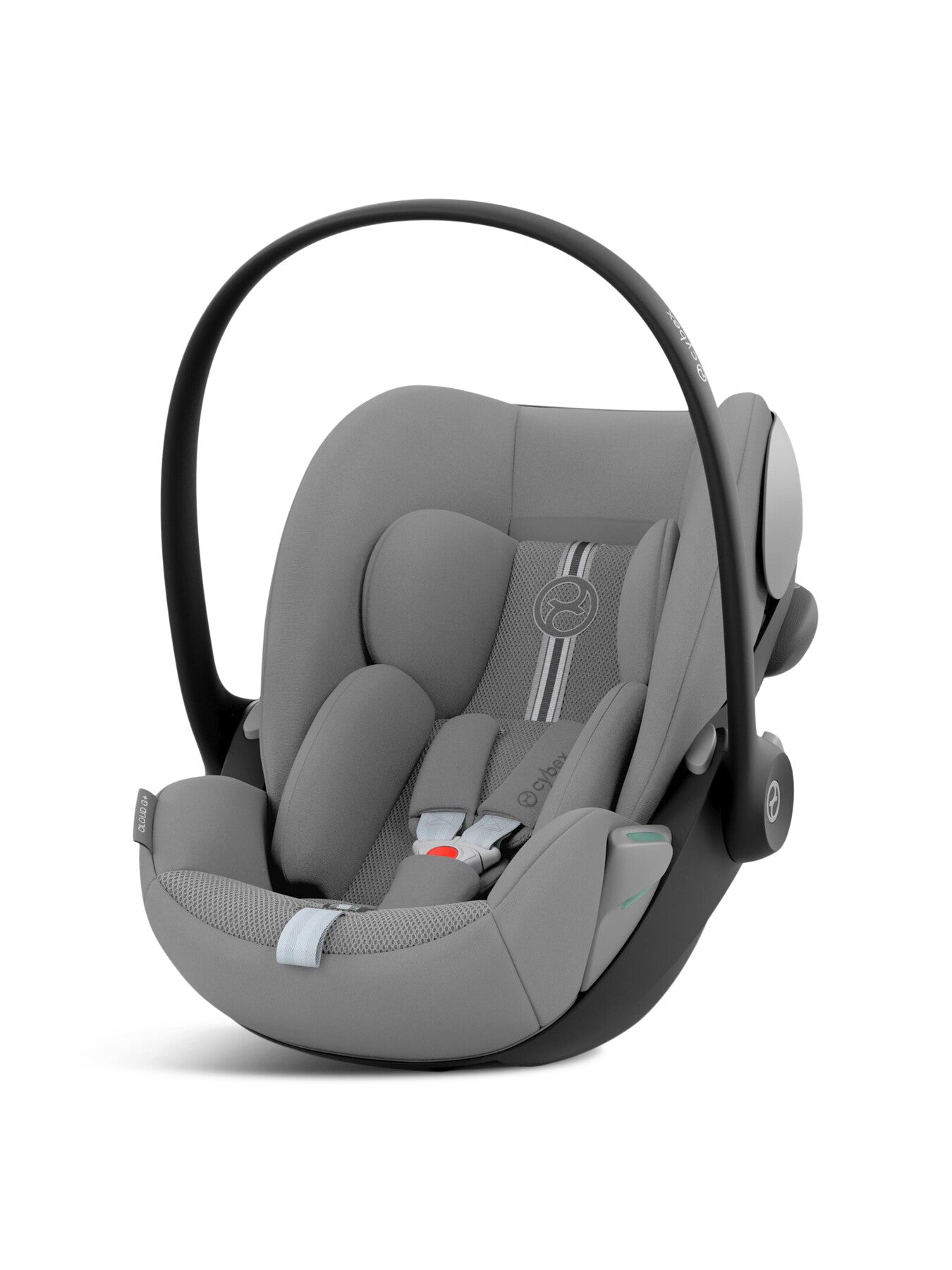
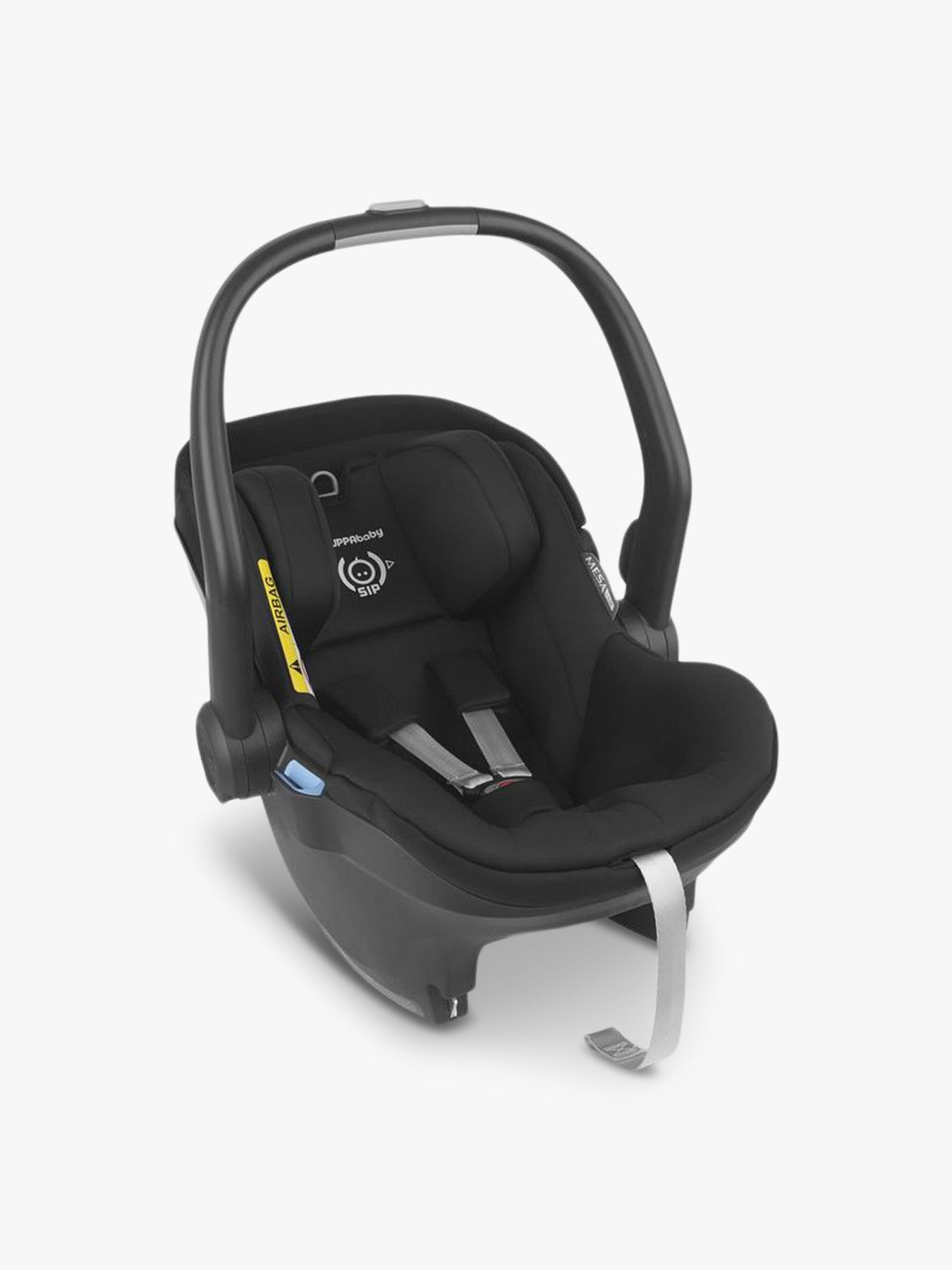
For newborns, an infant car seat designed for rear-facing use provides a supportive fit for smaller babies. Look for a baby car seat suited to your newborn's height and weight, compatible with your vehicle, and straightforward to install and adjust. Always check the manufacturer's guidance to confirm the seat is suitable for your baby.
When should I switch to a forward-facing car seat?
The right time to switch to a forward-facing car seat depends on your child's height and weight, along with the specific limits and instructions for your car seat model. Many parents keep their child rear-facing for as long as their particular car seat permits. Always follow the manufacturer's guidance and check the seat's stated height and weight limits before changing position.
Are spinning car seats worth it?
A spinning car seat can be a worthwhile option if convenience is a priority. The rotating mechanism turns the seat towards the car door, making it easier to lift your child in and out and secure the harness. Rotating car seats are especially helpful for families who make frequent journeys or have several caregivers using the same vehicle. As with any car seat, confirm the model suits your child and is compatible with your vehicle before buying.
What is the difference between an infant and a convertible car seat?
An infant car seat is designed specifically for newborns and younger babies, while a convertible car seat typically adapts for use across multiple stages of your child's development. The best choice depends on your child's size, your vehicle, and whether you prioritise portability and travel-system compatibility (infant seat) or longer-term use (convertible seat).
How do I know if a baby car seat will fit my car?
Before buying a baby car seat, check the manufacturer's compatibility information and installation requirements for your specific vehicle. Consider how the seat will be installed, whether you have enough space for it in the chosen position, and whether the installation method suits your car. Always follow the car seat manufacturer's installation instructions and your vehicle handbook.